There’s something timeless and comforting about a warm plate of creamy scrambled eggs. Soft, silky, and perfectly fluffy eggs can instantly turn an ordinary morning into a satisfying breakfast experience. While scrambled eggs may seem simple, achieving that rich, delicate texture that melts in your mouth requires the right technique, gentle heat, and a little patience.
Many people grow up eating overcooked scrambled eggs that are dry, rubbery, or crumbly. However, true restaurant-style scrambled eggs are completely different. They’re tender, smooth, slightly glossy, and packed with rich flavor in every bite. The good news is that you don’t need expensive ingredients, advanced cooking skills, or fancy equipment to master them at home.
This easy creamy scrambled eggs recipe uses simple kitchen staples and a foolproof low-heat method to create soft and fluffy eggs every time. Whether you need a quick healthy breakfast, a high-protein meal, a low-carb brunch idea, or even a light dinner option, these creamy eggs are one of the easiest and most satisfying recipes you can make.
Another reason this recipe has become increasingly popular is its versatility. Creamy scrambled eggs pair beautifully with toast, avocado, vegetables, smoked salmon, fresh herbs, or cheese. They fit effortlessly into healthy meal plans, weight-loss routines, and high-protein diets while still feeling rich and comforting.
Perfect for busy mornings, lazy weekends, or nutritious meal prep, this recipe proves that the simplest foods are often the most delicious.
Why These Creamy Scrambled Eggs Taste So Good
The secret to perfect scrambled eggs is not complicated ingredients—it’s gentle cooking and proper timing.
Unlike traditional scrambled eggs cooked quickly over high heat, creamy scrambled eggs rely on a slow-cooking process that allows the egg proteins to stay tender and moist. This creates soft curds instead of dry, overcooked bits.
The combination of eggs, butter, and a touch of liquid creates a luxurious texture that feels almost velvety.
Every bite becomes:
- Soft and fluffy
- Rich yet light
- Moist instead of dry
- Delicate and creamy
This texture is what separates ordinary scrambled eggs from truly exceptional scrambled eggs.
Why This Breakfast Recipe Is So Popular
Creamy scrambled eggs remain one of the most searched breakfast recipes online because they are:
- Quick to prepare
- Affordable
- High in protein
- Naturally low carb
- Extremely versatile
- Family-friendly
- Perfect for healthy eating plans
People also love that eggs can work for breakfast, brunch, lunch, or dinner.
This recipe naturally fits many trending food categories, including:
- High-protein breakfast recipes
- Healthy egg recipes
- Easy breakfast ideas
- Low-carb meals
- Keto-friendly breakfasts
- Quick meal prep ideas
- Weight-loss breakfasts
- Restaurant-style scrambled eggs
Because of their nutritional value and convenience, eggs continue to be one of the most popular breakfast foods worldwide.
The Importance of Using Fresh Eggs
Fresh eggs make a major difference in texture and flavor.
High-quality eggs hold their structure better while cooking, resulting in creamier curds and richer taste.
Fresh eggs also contain firmer whites and more vibrant yolks, which improve both appearance and consistency.
Whenever possible, choose:
- Farm-fresh eggs
- Organic eggs
- Free-range eggs
These options often provide deeper flavor and richer color.
Why Butter Makes Scrambled Eggs Creamier
Butter is one of the key ingredients in achieving soft scrambled eggs.
As butter melts into the eggs, it adds:
- Richness
- Moisture
- Silky texture
- Flavor depth
Unsalted butter works best because it allows better control over seasoning.
The butter also helps prevent sticking while gently coating the eggs as they cook.
Some people use olive oil instead, but butter provides the classic creamy flavor associated with restaurant-style scrambled eggs.
The Secret Ingredient for Fluffy Eggs
Adding a small amount of milk, cream, or water can dramatically improve texture.
Milk or Cream
A teaspoon or two of milk or cream adds richness and softness.
This creates slightly denser but creamier eggs.
Water
Water may sound unusual, but it actually helps produce fluffier eggs because the steam created during cooking aerates the eggs.
This results in lighter curds without extra heaviness.
Even a tiny amount makes a noticeable difference.
Why Low Heat Is Essential
One of the most common mistakes people make is cooking eggs too quickly.
High heat forces the egg proteins to tighten rapidly, creating:
- Rubbery texture
- Dry eggs
- Tough curds
- Loss of moisture
Low heat allows the eggs to cook gently and evenly.
The slow process creates soft folds and creamy texture instead of dry chunks.
Patience is the true secret to perfect scrambled eggs.
Why Gentle Stirring Matters
The way you stir scrambled eggs affects the final texture.
Fast stirring creates tiny dry curds.
Gentle folding motions create larger, softer curds that hold moisture better.
Using a silicone spatula works especially well because it glides smoothly through the eggs without breaking them apart too aggressively.
Sweeping the spatula slowly across the pan helps build creamy folds instead of scrambling the eggs into tiny pieces.
The Best Time to Remove Eggs from Heat
Perfect scrambled eggs should still look slightly glossy when removed from the pan.
Why?
Because eggs continue cooking even after leaving the heat.
This is known as carryover cooking.
If you wait until the eggs look completely done in the skillet, they’ll likely become overcooked by the time they reach the plate.
Removing them slightly early guarantees soft, creamy results.
Why Salt Should Be Added Later
Adding salt too early can break down egg proteins and release extra moisture during cooking.
This may create watery scrambled eggs.
Seasoning after cooking helps preserve the creamy texture while still delivering flavor.
Freshly cracked black pepper adds warmth and mild spice without overpowering the eggs.
Health Benefits of Scrambled Eggs
Eggs are one of the most nutrient-dense foods available.
They contain high-quality protein, essential vitamins, and healthy fats that help support energy and fullness.
High Protein Content
Protein helps:
- Build and maintain muscle
- Keep you full longer
- Support metabolism
- Reduce unnecessary snacking
This makes scrambled eggs ideal for weight management and healthy eating plans.
Naturally Low Carb
Eggs are naturally low in carbohydrates, making them popular for:
- Keto diets
- Low-carb lifestyles
- Diabetic-friendly meals
Rich in Nutrients
Eggs contain important nutrients including:
- Vitamin B12
- Vitamin D
- Choline
- Selenium
- Healthy fats
- Iron
These nutrients support brain function, energy levels, and overall wellness.
Why Creamy Scrambled Eggs Are Great for Meal Prep
Although scrambled eggs taste best fresh, they can also work well for meal prep when stored correctly.
You can add them to:
- Breakfast burritos
- Meal prep bowls
- Sandwiches
- Wraps
- Breakfast muffins
Pairing eggs with vegetables and whole grains creates balanced meals for busy mornings.
Delicious Ways to Serve Creamy Scrambled Eggs
This recipe works with countless toppings and side dishes.
Classic Breakfast Style
Serve with:
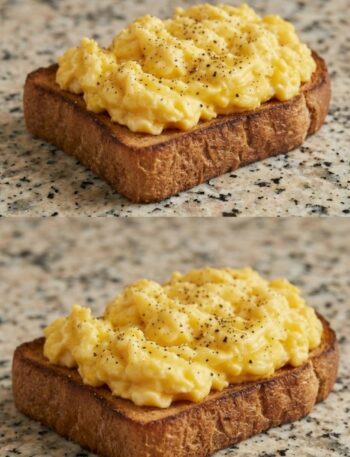
- Buttered toast
- Avocado slices
- Fresh fruit
- Breakfast potatoes
Healthy Brunch Plate
Pair with:
- Roasted vegetables
- Whole-grain toast
- Spinach salad
- Grilled tomatoes
High-Protein Meal
Add:
- Smoked salmon
- Turkey sausage
- Cottage cheese
- Grilled chicken
For extra protein and flavor.
Low-Carb Option
Serve over sautéed spinach, kale, or arugula.
Popular Flavor Variations
One reason scrambled eggs remain so popular is their endless customization possibilities.
Cheesy Scrambled Eggs
Add shredded cheddar, parmesan, goat cheese, or feta.
The cheese melts beautifully into the eggs for extra creaminess.
Herb Scrambled Eggs
Fresh herbs like:
- Chives
- Parsley
- Dill
- Basil
Add freshness and color.
Spicy Version
Add:
- Chili flakes
- Hot sauce
- Jalapeños
- Smoked paprika
For bold flavor.
Vegetable-Packed Eggs
Mix in sautéed:
- Mushrooms
- Tomatoes
- Bell peppers
- Spinach
- Onions
This adds fiber and nutrients.
Common Mistakes to Avoid
Cooking Over High Heat
This is the biggest cause of dry eggs.
Overmixing
Too much whisking creates dense texture instead of soft curds.
Leaving Eggs on the Stove Too Long
Carryover cooking continues after the eggs leave the pan.
Walking Away While Cooking
Eggs cook quickly and require attention throughout the process.
Helpful Tips for Restaurant-Style Scrambled Eggs
Use a Nonstick Pan
This prevents sticking and allows smoother cooking.
Warm the Serving Plates
Warm plates help maintain creamy texture longer.
Use Room Temperature Eggs
They cook more evenly than cold eggs.
Stir Slowly
Gentle folding motions create luxurious texture.
Why Simple Recipes Are Often the Best
This recipe proves that great food doesn’t require complicated techniques or expensive ingredients.
With only a few basic ingredients and the right method, you can create a comforting breakfast that feels rich, satisfying, and restaurant-worthy.
Sometimes the simplest dishes become the most memorable because they focus on texture, flavor, and technique rather than unnecessary complexity.
Final Thoughts
These ultra creamy scrambled eggs are soft, fluffy, rich, and incredibly easy to prepare. With their silky texture and high-protein nutrition, they’re perfect for healthy breakfasts, quick dinners, meal prep, or comforting weekend brunches.
The low-and-slow cooking method transforms ordinary eggs into something luxurious and satisfying without requiring any complicated steps. Once you experience the difference that gentle cooking makes, it’s hard to return to dry, overcooked scrambled eggs again.
Whether served simply with toast or paired with vegetables, cheese, or fresh herbs, these creamy scrambled eggs are a timeless recipe that belongs in every kitchen.
Part 2: Easy Creamy Scrambled Eggs Recipe
Quick Overview
These soft and fluffy scrambled eggs are made with simple ingredients and cooked slowly for a rich, creamy texture. Perfect for healthy breakfasts, high-protein meals, or quick brunch recipes.
Preparation Time
- Prep Time: 5 minutes
- Cook Time: 5 minutes
- Total Time: 10 minutes
Servings
2 servings
Ingredients
- 4 large eggs
- 1 tbsp unsalted butter
- 1–2 tsp whole milk, cream, or water
- Pinch of salt
- Freshly ground black pepper to taste
Optional Additions
- Fresh chives or parsley
- Grated cheddar or parmesan cheese
- Crème fraîche
- Chili flakes
- Sautéed spinach or mushrooms
Step-by-Step Instructions
Step 1: Whisk the Eggs
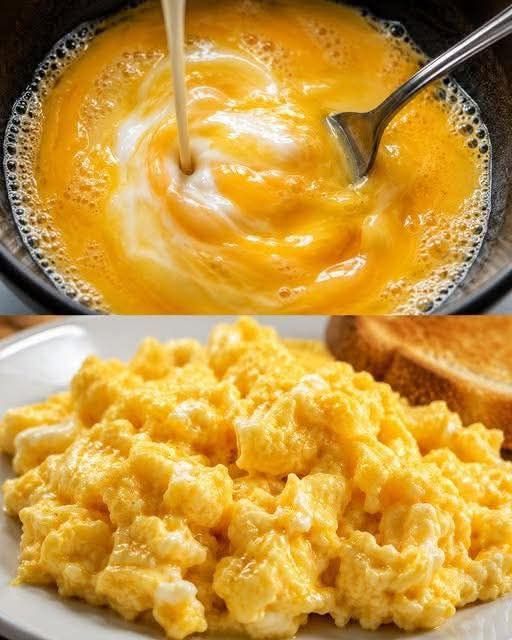
Crack the eggs into a bowl.
Add milk, cream, or water if using.
Whisk gently until the yolks and whites are fully combined.
Do not overmix.
Step 2: Heat the Pan
Place a nonstick skillet over medium-low heat.
Add butter and allow it to melt gently without browning.
Step 3: Cook Slowly
Pour the eggs into the skillet.
Let them sit briefly, then slowly stir using a silicone spatula.
Use gentle folding motions every 20–30 seconds as soft curds begin forming.
Cook slowly for about 3–5 minutes.
Step 4: Remove Before Fully Set
When the eggs are mostly cooked but still slightly glossy, remove the skillet from the heat.
The eggs will continue cooking from residual heat.
Step 5: Season and Serve
Transfer to warm serving plates.
Sprinkle with salt and freshly ground black pepper.
Add optional toppings if desired.
Serve immediately.
Serving Suggestions
- Serve with buttered toast and avocado
- Pair with smoked salmon or turkey sausage
- Add to breakfast burritos or wraps
- Enjoy with sautéed vegetables
- Serve alongside fresh fruit for a balanced breakfast
Storage Tips
- Refrigerate leftovers in an airtight container for up to 2 days
- Reheat gently over low heat
- Freeze for up to 1 month if needed