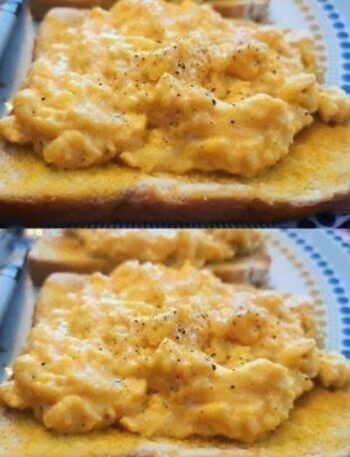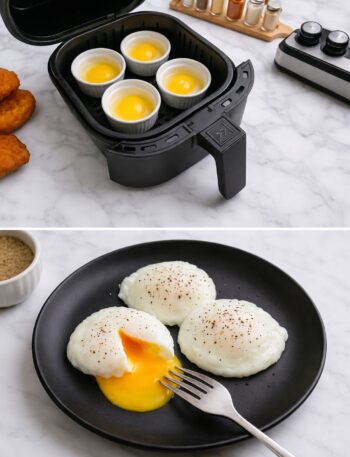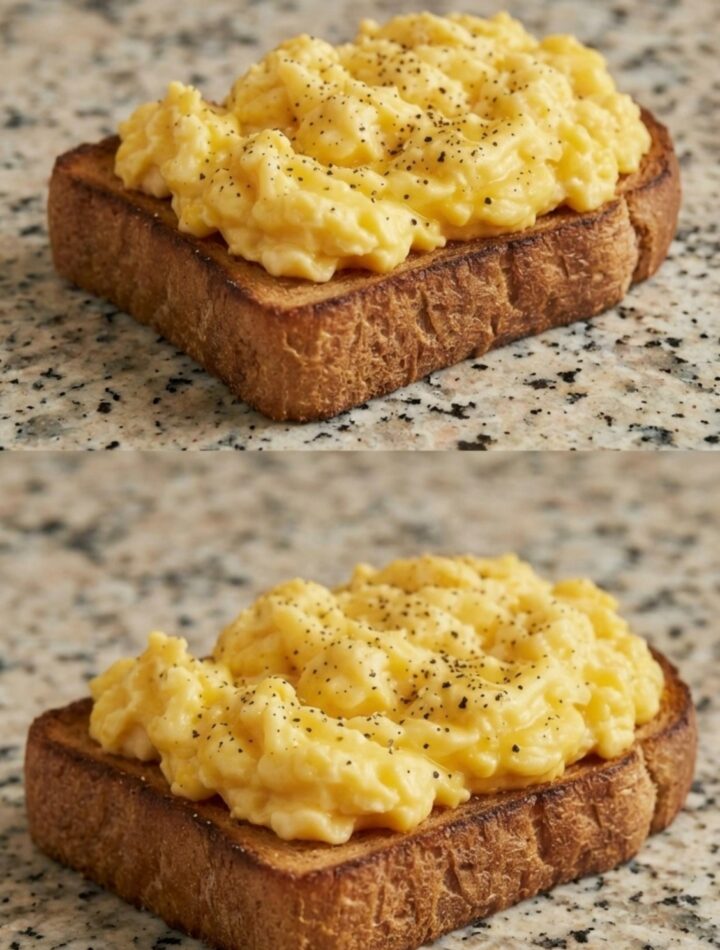
Scrambled eggs are one of the easiest breakfast recipes in the world, yet many people struggle to make them perfectly. Sometimes they turn out dry, rubbery, bland, or overcooked. The secret to delicious scrambled eggs is not expensive ingredients or professional cooking skills — it is all about technique, gentle heat, and timing.
This easy scrambled eggs recipe creates creamy, fluffy, and flavorful eggs that taste just like a café-style breakfast. Whether you are preparing a quick morning meal, a healthy high-protein breakfast, or a comforting brunch dish, these eggs are simple, satisfying, and ready within minutes.
Perfect scrambled eggs should be light, soft, moist, and rich in flavor. They should never look dry or feel tough. By following the correct method, you can create buttery scrambled eggs with a smooth texture every single time.
Why Homemade Scrambled Eggs Taste Better
Freshly cooked scrambled eggs have a rich flavor and soft texture that packaged breakfast foods cannot match. They are budget-friendly, packed with protein, and incredibly versatile. You can enjoy them plain or pair them with toast, avocado, vegetables, herbs, cheese, or breakfast meats.
Another great advantage is how quickly they cook. In less than ten minutes, you can prepare a warm and nutritious breakfast that works for busy mornings or relaxed weekend brunches.
Scrambled eggs are also naturally low in carbohydrates and high in essential nutrients, making them a popular option for healthy eating plans, low-carb diets, and high-protein meals.
Choosing the Best Eggs for Scrambling
The quality of your eggs makes a noticeable difference in flavor and texture. Fresh eggs produce creamier and more flavorful scrambled eggs.
When shopping, look for:
- Farm-fresh eggs
- Organic eggs
- Free-range eggs
- Large eggs for consistent cooking
- Eggs with bright yellow or orange yolks
Fresh eggs hold their structure better and create fluffier curds while cooking.
If possible, allow the eggs to sit at room temperature for a few minutes before cooking. Cold eggs directly from the refrigerator may cook unevenly.
Essential Ingredients for Rich and Creamy Scrambled Eggs
One reason scrambled eggs remain so popular is because the ingredient list is short and simple. Every ingredient plays an important role in creating the perfect texture and flavor.
Eggs
Eggs are the heart of the recipe. They provide protein, richness, and structure.
Butter or Cooking Oil
Butter adds a creamy flavor and helps prevent sticking. Olive oil can also be used for a lighter option.
Milk or Heavy Cream
A small splash of milk or cream creates softer, fluffier eggs. Heavy cream produces a richer texture, while milk keeps the eggs light.
Salt and Black Pepper
Simple seasoning enhances the natural flavor of the eggs.
Optional Flavor Enhancers
You can also add:
- Chopped chives
- Fresh parsley
- Shredded cheese
- Sour cream
- Cream cheese
- Garlic powder
- Smoked paprika
- Crispy turkey bacon bits
- Sautéed mushrooms
- Spinach
These ingredients can transform simple scrambled eggs into a gourmet breakfast dish.
The Secret to Fluffy Scrambled Eggs
Many people believe high heat cooks eggs faster and better, but this is actually the main reason scrambled eggs become dry and rubbery.
The true secret is slow cooking over low heat.
Cooking eggs gently allows soft curds to form while keeping moisture inside. This creates creamy scrambled eggs with a silky texture.
Another important step is whisking the eggs thoroughly before cooking. Beating air into the eggs creates lightness and fluffiness.
For extra fluffy scrambled eggs, some cooks add:
- A teaspoon of water
- A splash of cream
- A pinch of baking powder
These small additions help create airy, tender eggs.
How to Whisk Eggs Properly
Whisking is more important than many people realize. Properly beaten eggs cook evenly and develop a smooth texture.
Crack the eggs into a medium bowl and whisk until:
- Yolks and whites are fully combined
- The mixture becomes slightly frothy
- No streaks remain
The more evenly the eggs are mixed, the creamier the final result will be.
You may use:
- A fork
- A balloon whisk
- Electric hand mixer for extra fluffiness
Avoid overmixing to the point where the eggs become watery.
Choosing the Right Pan
A good pan makes cooking scrambled eggs much easier.
The best options include:
- Non-stick skillet
- Ceramic pan
- Well-seasoned cast iron pan
Non-stick cookware is especially helpful because eggs release easily and require less fat.
A rubber or silicone spatula works best for stirring because it gently folds the eggs without breaking the soft curds.
Why Low Heat Matters
One of the biggest mistakes people make is cooking eggs on high heat.
High heat:
- Dries out the eggs
- Causes rubbery texture
- Makes eggs brown too quickly
- Removes moisture
Low or medium-low heat allows the eggs to cook slowly and evenly.
Professional chefs often cook scrambled eggs gently to create soft folds instead of dry chunks.
Patience creates better texture.
Step-by-Step Cooking Technique
The cooking process itself is simple, but attention to detail makes all the difference.
After adding butter to the warm pan, wait until it melts fully but does not brown. Then pour in the whisked eggs.
Allow the eggs to sit briefly before stirring. This helps small curds begin forming.
Using a spatula, slowly push the eggs from the edges toward the center of the pan. Continue making gentle sweeping motions.
Avoid aggressive stirring because it breaks apart the curds and creates tiny dry pieces.
The eggs should remain glossy and slightly soft during cooking.
When to Remove Eggs from Heat
Perfect scrambled eggs should look slightly undercooked when removed from the stove.
This surprises many beginners, but eggs continue cooking from residual heat even after leaving the pan.
Removing them early prevents overcooking and keeps them creamy.
If you wait until the eggs look completely done in the pan, they will likely become dry by the time you serve them.
The Best Time to Add Salt
Many home cooks add salt before cooking, but some chefs prefer seasoning at the end.
Adding salt too early can sometimes draw out moisture and make eggs watery.
For the best texture:
- Cook the eggs first
- Remove from heat
- Then season with salt and pepper
This keeps the eggs rich and fluffy.
Delicious Add-Ins for Scrambled Eggs
Scrambled eggs are incredibly customizable. You can easily turn them into a complete breakfast meal with additional ingredients.
Cheese
Cheddar, mozzarella, feta, parmesan, or goat cheese melt beautifully into warm eggs.
Fresh Herbs
Chives, dill, parsley, basil, or cilantro add freshness and color.
Vegetables
Bell peppers, onions, tomatoes, spinach, and mushrooms work wonderfully.
Protein Options
Turkey sausage, grilled chicken pieces, or crispy beef bacon provide extra protein.
Creamy Ingredients
A spoonful of cream cheese or sour cream creates luxurious texture.
Healthy Scrambled Egg Variations
If you want a lighter breakfast, there are many healthy ways to prepare scrambled eggs.
High-Protein Version
Use extra egg whites with whole eggs.
Low-Calorie Version
Cook with olive oil spray instead of butter.
Keto-Friendly Scrambled Eggs
Add cheese, avocado, and cream for healthy fats.
Dairy-Free Option
Skip milk and butter and use olive oil instead.
Vegetable Scramble
Mix in spinach, tomatoes, zucchini, and onions for added nutrition.
Common Mistakes to Avoid
Cooking Too Fast
Fast cooking leads to dry eggs.
Using High Heat
High temperatures toughen the eggs.
Over-Stirring
Too much stirring breaks the curds.
Overcooking
Eggs should still look soft before removing from heat.
Using a Cold Pan
A properly preheated pan ensures even cooking.
Forgetting to Season
Even simple eggs need balanced seasoning.
What to Serve with Scrambled Eggs
Scrambled eggs pair well with many breakfast foods.
Popular serving ideas include:
- Buttered toast
- Croissants
- Avocado toast
- Fresh fruit
- Hash browns
- Pancakes
- Roasted potatoes
- Breakfast sandwiches
- Sautéed vegetables
You can also wrap scrambled eggs inside tortillas for breakfast burritos.
How Restaurants Make Scrambled Eggs So Creamy
Restaurant-style scrambled eggs often contain:
- Butter
- Cream
- Slow cooking techniques
- Continuous gentle folding
Chefs focus on texture rather than speed.
Some restaurants even remove eggs from heat multiple times during cooking to prevent overheating.
This creates silky, soft scrambled eggs with delicate curds.
Storing and Reheating Scrambled Eggs
Although scrambled eggs taste best fresh, leftovers can still be stored properly.
Refrigeration
Place cooled eggs in an airtight container and refrigerate for up to 2 days.
Reheating
Warm slowly over low heat or microwave in short intervals.
Avoid overheating because eggs become rubbery very quickly.
Why Scrambled Eggs Are a Perfect Breakfast Choice
Scrambled eggs remain one of the most loved breakfast foods worldwide because they are:
- Quick to prepare
- Affordable
- Nutritious
- High in protein
- Family-friendly
- Easily customizable
They fit nearly every eating style and can be made simple or gourmet depending on your preferences.
Final Kitchen Tips for the Best Scrambled Eggs
- Always cook on low heat
- Use fresh eggs
- Whisk thoroughly before cooking
- Stir gently with a spatula
- Remove from heat while slightly soft
- Serve immediately for best flavor
Mastering scrambled eggs is a basic cooking skill that improves every breakfast experience. Once you learn the right method, you can consistently prepare creamy, fluffy, and flavorful eggs at home without difficulty.
Part 2: Easy Soft Scrambled Eggs Recipe
Ingredients
- 4 fresh large eggs
- 1 tablespoon butter or olive oil
- 1 tablespoon milk or heavy cream (optional)
- Salt to taste
- Black pepper to taste
Optional Additions
- Chopped chives
- Shredded cheese
- Cream cheese
- Fresh parsley
- Cooked turkey bacon bits
Instructions
Step 1: Prepare the Egg Mixture
Crack the eggs into a bowl. Add milk or cream if using. Whisk well until smooth and slightly frothy.
Step 2: Warm the Pan
Place a non-stick skillet over low or medium-low heat. Add butter and let it melt gently.
Step 3: Add the Eggs
Pour the whisked eggs into the pan. Allow them to sit for a few seconds without stirring.
Step 4: Stir Slowly
Using a silicone spatula, gently move the eggs from the edges toward the center. Continue folding slowly while soft curds form.
Step 5: Finish Cooking
When the eggs still look slightly glossy and soft, remove the pan from heat.
Step 6: Season and Serve
Add salt and black pepper. Garnish with herbs or cheese if desired. Serve immediately while warm and creamy.
Quick Tips
- Cook slowly for soft texture.
- Do not overcook.
- Use fresh eggs for best flavor.
- Add cream cheese for extra richness.
- Serve immediately after cooking.