When it comes to easy breakfast recipes, few dishes are as comforting, satisfying, and timeless as creamy soft scrambled eggs. While scrambled eggs may seem like one of the simplest foods to prepare, achieving that rich, silky, restaurant-quality texture requires the right technique. The difference between ordinary scrambled eggs and truly exceptional soft scrambled eggs comes down to patience, gentle heat, and careful attention during cooking.
Unlike traditional scrambled eggs that are often cooked quickly over high temperatures, soft scrambled eggs are prepared slowly to create delicate, velvety curds that remain moist and tender. The result is a gourmet-style breakfast that feels elegant enough for a weekend brunch yet simple enough for a busy weekday morning.
Whether served with artisan toast, fresh avocado, smoked salmon, crispy bacon, or seasonal fruit, these creamy eggs deliver incredible flavor and texture in every bite. Their versatility makes them one of the most popular breakfast dishes worldwide, enjoyed by home cooks and professional chefs alike.
If you’ve ever wondered how restaurants achieve those silky scrambled eggs that practically melt in your mouth, this guide will teach you every secret needed to recreate them in your own kitchen.
Why Soft Scrambled Eggs Are Different from Traditional Scrambled Eggs
Many people think all scrambled eggs are the same, but there is a significant difference between standard scrambled eggs and the soft, creamy version often found in upscale cafes and brunch spots.
Traditional scrambled eggs are usually cooked quickly until fully firm. While this method is convenient, it often results in larger curds and a drier texture.
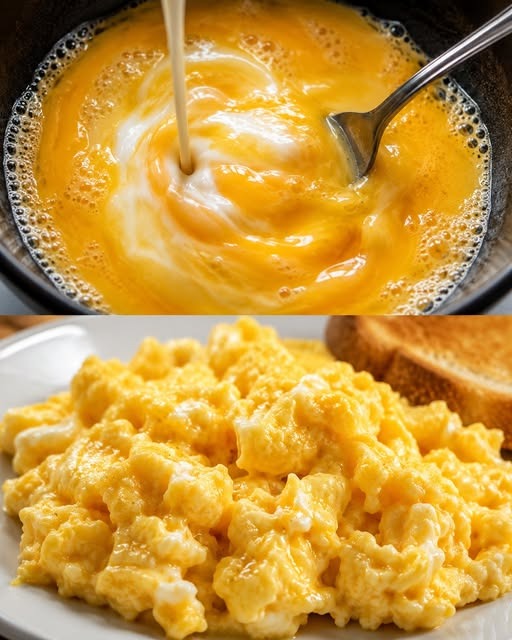
Soft scrambled eggs, on the other hand, are intentionally cooked at a lower temperature. This slower cooking process allows the proteins in the eggs to set gradually, producing smaller curds and a creamier consistency.
The defining characteristics of soft scrambled eggs include:
- Smooth, velvety texture
- Small delicate curds
- Moist interior
- Rich buttery flavor
- Light and fluffy consistency
- Slight glossy appearance
These qualities transform a basic breakfast staple into something truly special.
Why This Recipe Will Become Your Favorite Breakfast
There are countless reasons to love this creamy scrambled egg recipe.
Quick Yet Impressive
Despite their luxurious appearance, soft scrambled eggs require only a few minutes to prepare.
Protein-Packed Breakfast
Eggs are naturally rich in high-quality protein, helping keep you satisfied throughout the morning.
Budget-Friendly
This recipe relies on simple kitchen staples that are affordable and readily available.
Perfect for Beginners
Even novice cooks can achieve excellent results by following a few key techniques.
Endless Customization
You can personalize the dish with herbs, cheese, vegetables, or premium toppings to suit your taste.
Suitable for Any Meal
While commonly served for breakfast, soft scrambled eggs also make an excellent brunch, lunch, or light dinner option.
Understanding the Science Behind Creamy Eggs
The secret to perfect scrambled eggs lies in understanding how eggs cook.
Eggs contain proteins that begin to tighten and solidify when exposed to heat. When temperatures become too high, these proteins contract rapidly, squeezing out moisture and creating a dry, rubbery texture.
Cooking eggs gently allows the proteins to coagulate more slowly. This process traps moisture within the curds and creates the signature creamy consistency associated with high-end scrambled eggs.
Butter and cream also contribute to tenderness by adding richness and helping regulate the cooking process.
The result is eggs that remain soft, fluffy, and luxurious instead of becoming tough and overcooked.
Choosing the Best Ingredients for Maximum Flavor
Since this recipe contains only a handful of ingredients, quality matters.
Fresh Eggs
Fresh eggs are the foundation of great scrambled eggs.
Look for:
- Bright yolks
- Clean shells
- Proper refrigeration
- Recent packing dates
Fresh eggs typically provide better flavor, texture, and appearance.
Whole Milk or Heavy Cream
Adding milk or cream creates a softer texture and enhances richness.
Whole milk produces lighter eggs, while heavy cream creates an especially luxurious result.
Unsalted Butter
Butter adds depth of flavor while helping create smooth, tender curds.
Using unsalted butter allows better control over seasoning.
Salt and Black Pepper
Simple seasonings enhance the natural flavor of the eggs without overpowering them.
Freshly ground black pepper adds subtle warmth and complexity.
The Secret to Restaurant-Style Soft Scrambled Eggs
Many professional chefs rely on one simple principle:
Low and Slow Cooking
The most important factor in making creamy scrambled eggs is avoiding high heat.
Cooking too quickly causes eggs to become dry before they have a chance to develop their signature silky texture.
Instead, use low heat and stir continuously.
This approach allows the eggs to cook gradually while maintaining their moisture.
Professional chefs often remove the pan from the heat periodically, allowing residual warmth to continue cooking the eggs without overcooking them.
This technique produces exceptionally creamy results.
Preparing the Egg Mixture Correctly
The first step toward perfect scrambled eggs begins before the pan is even heated.
Whisking the eggs thoroughly serves several important purposes:
- Combines yolks and whites evenly
- Incorporates air
- Creates a smoother texture
- Promotes fluffy curds
- Improves consistency
Take an extra minute to whisk until the mixture appears completely uniform.
A well-whisked egg mixture leads to better final results.
Why Constant Stirring Matters
One of the defining characteristics of soft scrambled eggs is their small, delicate curds.
These curds form when the eggs are stirred frequently during cooking.
Instead of allowing large sections to set, continuous gentle movement creates numerous tiny curds throughout the pan.
The result is:
- Creamier texture
- More even cooking
- Better moisture retention
- Restaurant-quality appearance
A silicone spatula works particularly well because it glides smoothly across the pan while scraping every section evenly.
Common Mistakes That Ruin Scrambled Eggs
Even simple recipes can go wrong when key details are overlooked.
Using High Heat
This is the most common mistake.
High temperatures quickly dry out eggs and create a rubbery texture.
Overcooking
Eggs continue cooking after leaving the stove.
Removing them slightly early preserves their creamy consistency.
Not Stirring Enough
Infrequent stirring creates large curds and uneven cooking.
Using Too Much Liquid
Excess milk can water down flavor and interfere with texture.
Serving Too Late
Soft scrambled eggs are at their best immediately after cooking.
Delicious Ways to Customize This Recipe
Once you’ve mastered the basic method, there are countless ways to personalize your eggs.
Cheddar Cheese Version
Mix shredded cheddar into the eggs during the final moments of cooking.
The cheese melts beautifully and adds extra richness.
Parmesan Upgrade
Freshly grated Parmesan contributes a savory, nutty flavor.
Fresh Herb Variation
Try:
- Chives
- Dill
- Parsley
These herbs add freshness and visual appeal.
Cream Cheese Addition
A small amount of cream cheese creates an ultra-creamy texture.
Garlic Butter Style
Sauté a little garlic in butter before adding the eggs.
Gourmet Truffle Eggs
Finish with a few drops of truffle oil for an elegant brunch experience.
Healthy Nutritional Benefits of Eggs
Eggs are among the most nutrient-dense foods available.
They provide:
- Complete protein
- Vitamin D
- Vitamin B12
- Choline
- Selenium
- Healthy fats
- Essential amino acids
Because of their protein content, eggs can help support satiety and provide long-lasting energy throughout the day.
This makes them an excellent choice for balanced breakfasts and healthy meal plans.
Perfect Pairings for a Complete Breakfast
Soft scrambled eggs pair wonderfully with many breakfast favorites.
Popular options include:
- Sourdough toast
- Whole-grain bread
- Croissants
- English muffins
- Bagels
- Fresh berries
- Avocado slices
- Smoked salmon
- Turkey bacon
- Greek yogurt
Combining eggs with fresh produce and whole grains creates a balanced and satisfying meal.
Storing and Reheating Leftovers
Although soft scrambled eggs are best enjoyed fresh, leftovers can be stored properly.
Refrigeration
- Cool quickly.
- Store in an airtight container.
- Refrigerate within two hours.
- Consume within two days.
Reheating
For best results:
- Heat gently over low heat.
- Add a small amount of butter.
- Stir continuously.
- Avoid prolonged microwave heating.
This helps maintain a softer texture.
Final Thoughts
Creamy soft scrambled eggs demonstrate how simple ingredients can produce extraordinary results. By combining fresh eggs, butter, gentle heat, and a little patience, you can create a breakfast that rivals those served in top restaurants and brunch cafes.
The secret lies not in complicated ingredients but in technique. Slow cooking, constant stirring, and removing the eggs from heat before they fully set ensures a silky, luxurious texture every time.
Whether enjoyed with toast, topped with herbs, paired with avocado, or served alongside your favorite breakfast dishes, these soft scrambled eggs offer comfort, elegance, and incredible flavor. Once you master this method, you’ll never want to return to ordinary scrambled eggs again.
Part 2: Easy Creamy Soft Scrambled Eggs Recipe
Recipe Information
Prep Time: 5 minutes
Cook Time: 8 minutes
Total Time: 13 minutes
Servings: 2–3 servings
Difficulty: Easy
Cuisine: American Breakfast
Ingredients
For the Scrambled Eggs
- 6 large eggs
- 3 tablespoons whole milk or heavy cream
- 2 tablespoons unsalted butter
- ½ teaspoon salt
- ¼ teaspoon black pepper
Optional Toppings & Garnishes
- Fresh chives, finely chopped
- Fresh parsley
- Fresh dill
- Shredded cheddar cheese
- Grated Parmesan cheese
- Toasted bread
- Avocado slices
Instructions
Step 1: Prepare the Eggs
- Crack the eggs into a mixing bowl.
- Add milk or heavy cream.
- Season with salt and black pepper.
- Whisk thoroughly until completely smooth and well combined.
Step 2: Melt the Butter
- Place a non-stick skillet over low heat.
- Add the butter.
- Allow it to melt slowly without browning.
- Swirl the pan to coat the surface evenly.
Step 3: Begin Cooking
- Pour the egg mixture into the skillet.
- Let it sit undisturbed for about 20 seconds.
- Once the edges begin to set, start stirring gently.
Step 4: Create Soft Curds
- Using a silicone spatula, slowly move the eggs across the bottom of the pan.
- Continue stirring gently and consistently.
- Allow small, tender curds to form.
- Cook slowly for the creamiest texture.
Step 5: Remove from Heat
- When the eggs are soft, glossy, and slightly underdone, remove the skillet from the heat.
- The residual heat will finish cooking them.
Step 6: Serve Immediately
- Transfer to warm serving plates.
- Garnish with herbs, cheese, or cracked black pepper.
- Serve immediately while hot and creamy.
Approximate Nutrition Per Serving
- Calories: 220
- Protein: 15g
- Fat: 17g
- Carbohydrates: 2g
- Fiber: 0g
- Sugar: 1g
Nutrition values may vary depending on ingredients used.
Recipe Notes
- Use fresh eggs for the best flavor and texture.
- Low heat is essential for creamy results.
- Avoid overcooking to keep the eggs moist.
- Serve immediately for the best eating experience.
- Add cheddar, Parmesan, or cream cheese for extra richness.
Source: Original recipe article created from the user’s provided ingredients and cooking method, rewritten with unique wording, expanded educational content, and SEO-focused structure for publishing purposes.