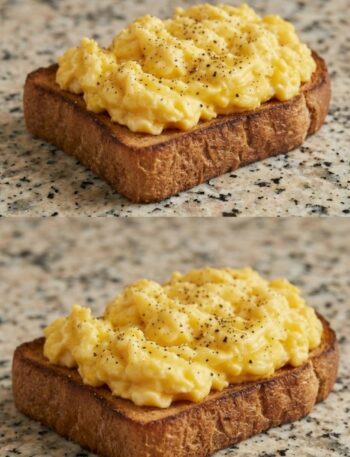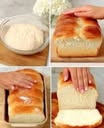
Few homemade baked goods can compete with the irresistible aroma and texture of freshly baked milk bread. Soft, fluffy, buttery, and slightly sweet, this popular bread recipe is famous for its cloud-like texture and rich flavor. Whether served warm with butter, toasted for breakfast, transformed into sandwiches, or enjoyed with tea or coffee, homemade milk bread delivers bakery-style comfort in every slice.
This ultra-soft bread recipe has become one of the most searched homemade bread recipes online because of its delicate crumb and pillowy texture. Often associated with Japanese milk bread or Hokkaido-style bread, this enriched loaf has gained worldwide popularity among home bakers who want soft sandwich bread with a tender interior and golden crust.
Unlike traditional rustic bread recipes that focus on chewy crusts and dense interiors, milk bread is designed to be soft, airy, and moist. The combination of milk, butter, eggs, sugar, and yeast creates a rich dough that bakes into an incredibly tender loaf. The final result is light yet satisfying, with a mild sweetness that works beautifully for both sweet and savory meals.
One reason this bread recipe is so beloved is its versatility. It can be used for sandwiches, breakfast toast, French toast, sliders, dinner rolls, or simply eaten warm straight from the oven. Families love its soft texture, children enjoy its fluffy bite, and home bakers appreciate how beautifully the dough rises and bakes.
This homemade fluffy milk bread recipe also offers a rewarding baking experience. Watching the dough transform from simple pantry ingredients into a soft golden loaf feels comforting and satisfying. Even beginner bakers can achieve excellent results with proper kneading, patience during rising, and careful baking.
The Story Behind Japanese Milk Bread
Milk bread has deep roots in East Asian baking traditions, especially in Japan, where soft enriched breads became widely popular during the twentieth century. Japanese bakeries are famous for producing bread with exceptionally soft texture and delicate flavor, often referred to as “Hokkaido milk bread.”
This style of bread became internationally famous because of its unique texture. Unlike crusty artisan loaves, milk bread focuses on softness and moisture. The dough is enriched with milk, butter, eggs, and sugar, which creates a fine crumb and silky consistency.
Over time, food lovers around the world embraced this bread because it stays soft longer than many homemade breads. Its mild sweetness and buttery aroma also make it highly versatile for everyday meals.
Today, milk bread recipes trend heavily online under popular search terms like:
- Soft milk bread recipe
- Japanese milk bread
- Homemade sandwich bread
- Fluffy bread recipe
- Bakery-style bread loaf
- Easy homemade bread
- Hokkaido bread recipe
This recipe recreates the classic softness people love while using simple pantry ingredients that are easy to find.
What Makes Milk Bread So Soft and Fluffy
The secret to the incredible texture lies in the enriched dough. Ingredients like milk, butter, and eggs add moisture and tenderness while yeast creates air pockets during fermentation.
Milk contributes proteins and fats that soften the crumb while adding subtle richness. Butter helps create a silky texture and improves flavor. Eggs provide structure and softness at the same time.
Kneading also plays an important role because it develops gluten, which traps air inside the dough during rising. Properly kneaded dough becomes smooth, stretchy, and elastic. This allows the bread to rise beautifully and maintain its fluffy structure after baking.
Another important factor is patience during proofing. Allowing the dough enough time to rise creates lighter bread with better texture and flavor.
Why Homemade Bread Tastes Better
Fresh homemade bread has advantages that store-bought loaves simply cannot match. Many commercial breads contain preservatives and additives to extend shelf life, while homemade bread uses simple ingredients with natural flavor.
The aroma of bread baking in the oven also creates a comforting atmosphere that many people associate with warmth and home cooking. Freshly baked milk bread develops a soft crust and delicate crumb that tastes far fresher than packaged bread.
Another major benefit is customization. Home bakers can control sweetness, texture, and toppings while experimenting with different serving ideas.
Making bread from scratch also becomes a relaxing and rewarding kitchen activity. Many people enjoy the process of kneading dough, watching it rise, and slicing into a warm loaf after baking.
Understanding the Role of Yeast
Yeast is one of the most important ingredients in this bread recipe because it helps the dough rise and creates the fluffy texture milk bread is known for.
When yeast mixes with warm milk and sugar, it activates and begins feeding on sugars within the dough. This process produces carbon dioxide gas, which creates air pockets and causes the dough to expand.
Using warm milk is essential because temperatures that are too hot can kill the yeast while cold milk slows activation. The ideal liquid temperature is warm to the touch but not overly hot.
Foamy yeast indicates proper activation and helps ensure successful bread rising.
The Importance of Kneading Dough Properly
Kneading is one of the most critical stages in bread making. Proper kneading strengthens gluten strands, giving the dough elasticity and helping trap air bubbles.
At first, the dough may feel sticky or rough. As kneading continues, it gradually becomes smoother and more flexible. A well-kneaded dough should feel soft, slightly tacky, and elastic without sticking excessively to hands or surfaces.
This process usually takes around 10 to 15 minutes by hand, though stand mixers can shorten the time slightly.
Under-kneaded dough often produces dense bread while properly kneaded dough creates a soft and airy loaf.
Why Proofing Matters
Proofing refers to allowing the dough to rise before baking. During this stage, yeast continues producing gas, causing the dough to expand and develop flavor.
Warm environments help dough rise faster and more evenly. Covering the dough prevents it from drying out during fermentation.
The first rise usually doubles the dough in size, while the second rise after shaping improves texture and structure further.
Patience during proofing creates lighter, fluffier bread with better taste and appearance.
Shaping the Dough for Bakery-Style Bread
One of the classic characteristics of milk bread is its beautifully rounded top. Dividing the dough into equal pieces before placing them into the loaf pan helps create that signature bakery appearance.
Rolling each piece into smooth balls or logs improves structure and creates attractive layers inside the finished loaf.
As the dough rises during baking, the sections expand together, creating the iconic pull-apart texture many people love.
The Secret to a Golden Crust
Brushing the top of the dough with egg wash before baking creates a shiny golden finish. The combination of egg and milk helps the crust brown evenly while adding visual appeal.
For extra softness, brushing melted butter over the loaf immediately after baking keeps the crust tender and flavorful.
This simple finishing step also gives the bread a professional bakery-style appearance.
Best Ways to Enjoy Milk Bread
One reason this bread recipe remains so popular is because it works with countless meals and serving styles.
Breakfast Ideas
- Toasted with butter and jam
- Honey and cream cheese
- French toast
- Peanut butter spread
Savory Uses
- Sandwich bread
- Garlic toast
- Grilled cheese sandwiches
- Breakfast sandwiches
Sweet Treats
- Bread pudding
- Cinnamon toast
- Chocolate spread
- Fruit sandwiches
Because the bread remains soft for days, it works perfectly for meal preparation and family breakfasts.
Helpful Tips for Soft Bread Every Time
Use Fresh Yeast
Expired yeast may prevent proper rising.
Measure Flour Carefully
Too much flour can make the bread dry and dense.
Knead Thoroughly
Elastic dough produces softer texture.
Avoid Overbaking
Overbaking dries the loaf and hardens the crust.
Cool Before Slicing
Allowing the bread to cool slightly helps preserve structure and softness.
Why Families Love Homemade Milk Bread
Soft milk bread appeals to all age groups because of its delicate texture and comforting flavor. Children especially enjoy the fluffy consistency while adults appreciate its versatility and freshness.
Families often use milk bread for packed lunches, quick breakfasts, or comforting snacks throughout the day.
Because homemade bread lacks preservatives, many people also prefer it as a cleaner and more natural alternative to packaged sandwich bread.
The recipe is simple enough for beginners while still producing bakery-quality results.
Nutritional Benefits of Milk Bread
While milk bread is considered comfort food, it also provides several nutritional benefits depending on ingredients used.
Milk contributes calcium and protein while eggs add additional protein and nutrients. Homemade bread also avoids many artificial ingredients commonly found in processed bread products.
Because this recipe uses basic pantry ingredients, it offers a wholesome homemade alternative that can fit into balanced meals.
Final Thoughts
This homemade Japanese-style milk bread recipe delivers everything people love about bakery bread — a soft texture, fluffy crumb, buttery flavor, and beautiful golden crust. Whether served warm for breakfast, transformed into sandwiches, or enjoyed fresh from the oven, this bread brings warmth and comfort to every table.
Its pillowy softness, mild sweetness, and versatile flavor make it one of the best homemade bread recipes for beginner and experienced bakers alike.
Once you experience the aroma and texture of freshly baked milk bread, it quickly becomes a recipe worth making again and again.
Part 2: Easy Soft Milk Bread Recipe
Ingredients
For the Bread Dough
- 3 cups all-purpose flour
- 2 tablespoons granulated sugar
- 1 teaspoon salt
- 2¼ teaspoons active dry yeast (1 packet)
- 1 cup warm milk
- 2 tablespoons softened butter
- 1 egg
Optional Egg Wash
- 1 egg
- 1 tablespoon milk
Instructions
Step 1: Activate the Yeast
In a mixing bowl, combine warm milk and sugar. Add active dry yeast and let it sit for 5–10 minutes until foamy.
Step 2: Prepare the Dough
Add flour, salt, egg, and softened butter into the yeast mixture. Stir until a soft dough forms.
Step 3: Knead the Dough
Transfer dough onto a lightly floured surface. Knead for 10–15 minutes until smooth, elastic, and soft.
Step 4: First Rise
Place dough into a greased bowl and cover with a clean towel or plastic wrap. Let it rise in a warm place for 1–1½ hours or until doubled in size.
Step 5: Shape the Bread
Punch down the dough gently. Divide into 3–4 equal pieces and shape into balls or logs.
Place the dough pieces side-by-side into a greased loaf pan.
Step 6: Prepare for Baking
Preheat oven to 180°C (350°F).
Mix egg and milk for the egg wash and brush lightly over the dough surface.
Step 7: Bake
Bake for 25–30 minutes or until the bread becomes golden brown on top.
Step 8: Cool and Serve
Allow bread to cool slightly before slicing. Brush with melted butter if desired for extra softness.
Approximate Nutrition Per Slice
- Calories: 150–180 kcal
- Carbohydrates: 25g
- Protein: 4–5g
- Fat: 4–6g
- Calcium: Moderate amount from milk