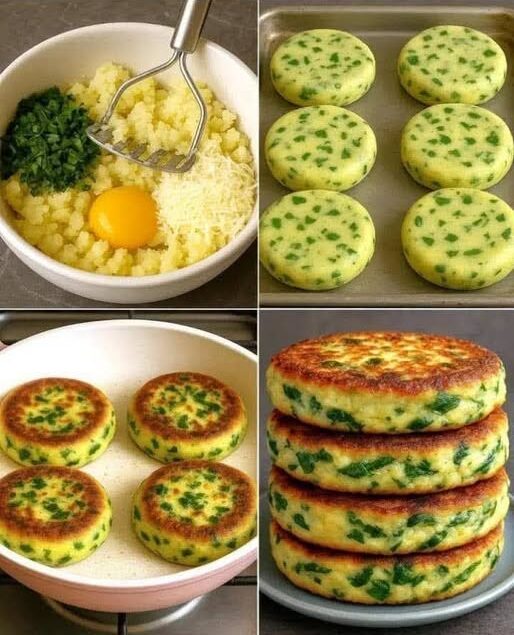
Healthy Vegetable Pancakes are a simple and satisfying way to add more vegetables to your daily meals without sacrificing flavor. Made with fresh cabbage, carrots, spinach, eggs, oat flour, and a few everyday seasonings, these savory pancakes are soft on the inside, lightly crisp on the outside, and packed with wholesome ingredients. Whether you’re looking for a healthy breakfast, a quick lunch, or a light dinner, this easy recipe comes together in under 30 minutes and is suitable for the whole family.
Unlike traditional pancakes that are sweet and made with refined flour, these vegetable pancakes focus on fresh produce and protein-rich ingredients. The combination of cabbage, carrots, and spinach creates a colorful dish that is naturally rich in fiber, vitamins, and minerals. Oat flour adds a hearty texture while keeping the pancakes light, making them a delicious option for anyone trying to enjoy more nutritious meals.
One of the best things about this recipe is its versatility. You can enjoy the pancakes on their own, pair them with a yogurt-based dip, or serve them alongside a fresh salad for a complete meal. They’re also perfect for meal prep, as leftovers can be stored and reheated throughout the week.
Why You’ll Love This Recipe
These healthy vegetable pancakes are a great addition to any meal plan because they are easy to prepare, budget-friendly, and full of fresh ingredients. Here are a few reasons to make them:
- Ready in about 30 minutes
- Made with simple pantry staples
- Rich in vegetables and protein
- Naturally filling and satisfying
- Great for breakfast, lunch, or dinner
- Perfect for meal prep
- Easy to customize with your favorite vegetables
- Crispy outside and tender inside
- Family-friendly recipe
- Delicious served warm or at room temperature
Recipe Information
Prep Time: 15 minutes
Cook Time: 15 minutes
Total Time: 30 minutes
Servings: 4
Ingredients
- 200 g finely chopped cabbage
- 3 large eggs
- ½ onion, finely chopped
- 1 medium carrot, grated
- ¼ cup chopped spinach leaves
- ¼ cup oat flour
- ¼ cup milk
- 1 teaspoon salt
- ½ teaspoon ground black pepper
- 1–2 teaspoons olive oil for cooking
Ingredient Notes
1. Cabbage
Finely chopped cabbage provides the base of these pancakes. It adds crunch, fiber, and a mild sweetness that becomes even more delicious after cooking.
2. Eggs
Eggs help bind all the ingredients together while adding protein and creating a soft texture.
3. Onion
Finely chopped onion brings natural sweetness and savory flavor to every bite.
4. Carrot
Fresh grated carrot adds color, moisture, and natural sweetness while increasing the nutritional value.
5. Spinach
Spinach is rich in vitamins and minerals. Chop it finely so it blends evenly throughout the batter.
6. Oat Flour
Oat flour helps absorb moisture and gives the pancakes a tender texture. It also adds extra fiber compared to refined flour.
7. Milk
Milk keeps the batter smooth and helps combine all the ingredients. Dairy or unsweetened plant-based milk both work well.
8. Salt and Black Pepper
Simple seasonings enhance the natural flavor of the vegetables without overpowering them.
9. Olive Oil
A small amount of olive oil prevents sticking and helps create a lightly golden crust.
Step-by-Step Instructions
Step 1: Prepare the Vegetables
Wash all the vegetables thoroughly under cold running water.
Finely chop the cabbage into small pieces.
Dice the onion as finely as possible.
Peel and grate the carrot using the fine side of a grater.
Chop the spinach into small pieces so it mixes evenly throughout the batter.
Preparing the vegetables into similar-sized pieces ensures that the pancakes cook evenly and hold together well.
Step 2: Make the Batter
Crack the eggs into a large mixing bowl.
Whisk them until they become light and slightly frothy.
Pour in the milk and continue whisking.
Add the oat flour, salt, and black pepper.
Mix until a smooth batter forms with no lumps.
Fold in the chopped cabbage, onion, grated carrot, and spinach.
Stir thoroughly until every vegetable is coated with the batter.
The mixture should be thick enough to hold its shape when spooned into the pan while still being easy to spread slightly.
Step 3: Heat the Pan
Place a large non-stick skillet over medium-low heat.
Lightly brush the surface with olive oil.
Allow the pan to heat for about one minute before adding the batter.
Using moderate heat allows the vegetables to cook completely without burning the outside.
Step 4: Cook the Pancakes
Spoon approximately ¼ cup of batter into the skillet for each pancake.
Use the back of the spoon to flatten them slightly.
Cook for 2–3 minutes until the bottom becomes golden brown.
Carefully flip each pancake with a spatula.
Cook the second side for another 2–3 minutes until fully cooked and lightly crisp.
Repeat until all the batter has been used.
Add a small amount of olive oil between batches if needed.
Step 5: Serve
Transfer the cooked pancakes to a serving plate.
Serve immediately while warm for the best flavor and texture.
Tips for Perfect Vegetable Pancakes
Finely Chop the Vegetables
Smaller vegetable pieces make the pancakes easier to flip and help them cook evenly.
Avoid Excess Moisture
If your cabbage releases a lot of water, gently squeeze out some of the moisture before mixing it into the batter.
Don’t Overcrowd the Pan
Leave enough space between pancakes so you can flip them easily.
Cook Over Medium-Low Heat
Cooking slowly allows the vegetables to soften while creating a golden exterior.
Flip Carefully
Wait until the bottom is fully cooked before turning the pancakes to prevent breaking.
Easy Variations
This recipe is easy to customize with other vegetables and herbs.
Try adding:
- Zucchini (grated and squeezed dry)
- Sweet corn
- Bell peppers
- Mushrooms
- Green onions
- Broccoli florets (finely chopped)
- Fresh parsley
- Dill
- Chives
- Garlic powder
- Paprika
- Italian herbs
- Crushed red pepper flakes for a little heat
You can also sprinkle a small amount of grated cheese into the batter if you prefer a richer flavor.
Serving Suggestions
These vegetable pancakes pair well with many different sides and dips.
Serve them with:
- Plain Greek yogurt
- Garlic yogurt sauce
- Sour cream
- Cottage cheese
- Hummus
- Avocado slices
- Fresh tomato salad
- Cucumber salad
- Mixed green salad
- Salsa
- Homemade tomato sauce
- Tzatziki
- Poached or fried eggs
- Roasted vegetables
They also make a delicious filling for wraps or sandwiches.
Storage Instructions
Allow the pancakes to cool completely before storing.
Place them in an airtight container.
Refrigerate for up to 4 days.
Separate layers with parchment paper to prevent sticking.
Freezing Instructions
These pancakes freeze very well.
Arrange cooled pancakes in a single layer on a baking tray until frozen.
Transfer them to a freezer-safe bag or container.
Freeze for up to 2 months.
Thaw overnight in the refrigerator before reheating.
Reheating
Skillet
Warm in a lightly greased skillet over medium heat for 2–3 minutes on each side.
Oven
Bake at 350°F (175°C) for about 8–10 minutes.
Air Fryer
Heat at 350°F (175°C) for 3–5 minutes until warmed through.
Microwave
Heat for 30–60 seconds for a quick option, although the pancakes will be softer than when reheated in a skillet.
Frequently Asked Questions
Can I make these pancakes gluten-free?
Yes. Simply use certified gluten-free oat flour to make this recipe suitable for a gluten-free diet.
Can I use whole wheat flour instead of oat flour?
Yes. Whole wheat flour works well, although the texture will be slightly denser.
Why are my pancakes falling apart?
The batter may contain too much moisture. If necessary, stir in an extra tablespoon of oat flour or squeeze excess liquid from the vegetables before mixing.
Can I prepare the batter ahead of time?
Yes. You can prepare the batter a few hours in advance and keep it covered in the refrigerator until you’re ready to cook.
Can I bake these instead of frying?
Yes. Spoon the batter onto a parchment-lined baking tray and bake at 375°F (190°C) for about 18–22 minutes, flipping halfway through for even browning.