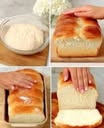
Fresh homemade bread is one of the most comforting foods enjoyed around the world. The warm aroma of bread cooking in the kitchen instantly creates a cozy atmosphere and brings a feeling of homemade comfort that few foods can match. While traditional bread baking is rewarding, many classic recipes require hours of kneading, rising, proofing, and oven baking. That process is not always practical when you need bread quickly.
This easy 10-minute stovetop bread recipe solves that problem perfectly. It delivers soft, fluffy, golden bread in a fraction of the time without using an oven. Made with simple pantry ingredients such as flour, baking powder, yogurt, milk, and olive oil, this quick bread recipe is ideal for busy families, beginners, students, or anyone craving fresh bread fast.
The beauty of stovetop bread lies in its simplicity. There is no yeast proofing, no complicated kneading process, and no lengthy rising time. Instead, baking powder provides instant lift while yogurt helps create a tender texture that stays moist and fluffy. The bread cooks directly in a skillet or pan, making it one of the easiest homemade bread recipes you can prepare in under 10 minutes.
Whether served with soup, used for wraps and sandwiches, paired with breakfast spreads, or enjoyed as a snack, this stovetop flatbread-style recipe is incredibly versatile and satisfying.
Why Stovetop Bread Is Becoming So Popular
Quick stovetop bread recipes have become increasingly popular because they save time while still producing delicious homemade results. Many people want fresh bread but do not always have access to an oven or enough time for traditional bread baking methods.
Benefits of Stovetop Bread
- No oven required
- Ready in minutes
- Beginner-friendly recipe
- Minimal ingredients
- Soft and fluffy texture
- Perfect for quick meals
- Easy cleanup
- Ideal for small kitchens
This method is especially useful for students, apartment cooking, camping meals, and summer cooking when people want to avoid heating the entire kitchen with an oven.
Because the bread cooks quickly in a skillet, it also works perfectly for last-minute meal preparation.
The Texture of 10-Minute Bread
One of the best things about this easy homemade bread recipe is its texture. Despite the short cooking time, the bread develops a soft interior with a lightly crisp exterior.
Texture Highlights
- Soft center
- Fluffy crumb
- Light chewiness
- Golden crust
- Moist interior
The yogurt or sour cream helps maintain moisture while the baking powder creates lightness and air pockets inside the bread.
The result is bread that feels comforting, rich, and fresh straight from the skillet.
Why Yogurt Makes Bread Softer
Yogurt plays a major role in this quick bread recipe. It adds moisture, tenderness, and slight tangy flavor while improving the bread’s structure.
Benefits of Yogurt in Bread
- Keeps bread moist
- Creates soft texture
- Helps tenderize gluten
- Adds mild richness
- Supports fluffy consistency
The acidity in yogurt naturally softens the dough, helping produce bread that feels lighter and less dense.
If yogurt is unavailable, sour cream works as an excellent substitute because it offers similar creaminess and acidity.
The Importance of Baking Powder in Quick Bread
Unlike traditional bread recipes that use yeast for rising, this stovetop bread relies on baking powder.
Why Baking Powder Works Well
- Instant leavening
- Faster preparation
- No proofing required
- Creates fluffy texture
- Simplifies bread making
Because baking powder reacts immediately when mixed with wet ingredients, the dough begins developing lift right away. This eliminates long fermentation times and allows the bread to cook quickly.
Using fresh baking powder is important because expired baking powder can result in dense or flat bread.
Flour: The Foundation of Soft Homemade Bread
All-purpose flour forms the structure of this bread recipe.
Why All-Purpose Flour Works Best
- Creates soft texture
- Easy to handle
- Widely available
- Produces fluffy bread
- Versatile for many recipes
Although all-purpose flour creates the softest result, some people prefer experimenting with whole wheat flour for added nutrition and a heartier texture.
Whole wheat versions create:
- More fiber
- Earthier flavor
- Rustic texture
- Richer color
A combination of all-purpose and whole wheat flour often provides the best balance between softness and nutrition.
Milk Helps Create the Perfect Dough
Milk helps adjust dough consistency while adding richness and tenderness.
Benefits of Milk in Bread Dough
- Adds moisture
- Softens texture
- Helps with browning
- Improves flavor
- Creates tender crumb
You can use regular dairy milk or plant-based milk alternatives such as almond milk, oat milk, or soy milk.
The dough should remain soft and slightly tacky rather than dry.
Olive Oil and Butter Add Flavor
Olive oil and melted butter both improve flavor and texture while helping prevent sticking during cooking.
Olive Oil Benefits
- Adds savory richness
- Creates crisp exterior
- Enhances softness
- Prevents sticking
Butter Benefits
- Buttery flavor
- Golden crust
- Rich aroma
- Tender texture
Either option works beautifully depending on personal preference.
Why This Bread Is Perfect for Busy Lifestyles
Modern schedules often leave little time for traditional baking. This quick stovetop bread recipe works perfectly for people who need fast homemade food without sacrificing quality.
Great for:
- Busy mornings
- Quick dinners
- School lunches
- Last-minute meals
- Family snacks
- Travel cooking
- Dorm cooking
Because it uses simple pantry staples, this bread can be made almost anytime without special planning.
Best Ways to Serve Stovetop Bread
This bread pairs well with countless dishes and flavors.
Delicious Serving Ideas
Soup Companion
Serve warm alongside soups, stews, and curries.
Sandwich Base
Use for wraps, grilled sandwiches, or breakfast sandwiches.
Snack Bread
Spread with butter, jam, or honey.
Breakfast Option
Pair with eggs, cheese, or avocado.
Side Dish
Serve alongside grilled meats, salads, or pasta dishes.
The bread’s neutral flavor makes it suitable for both savory and sweet combinations.
Easy Flavor Variations
One reason this recipe is so popular is because it can easily be customized.
Savory Additions
- Garlic powder
- Chopped herbs
- Grated cheese
- Black pepper
- Chili flakes
Sweet Variations
- Honey
- Cinnamon
- Vanilla
- Raisins
- Brown sugar
These additions help create completely different bread styles while using the same basic dough.
Why Moderate Heat Matters
Cooking temperature is extremely important for stovetop bread.
If Heat Is Too High
- Outside burns quickly
- Inside stays raw
- Uneven cooking
Medium Heat Provides
- Even browning
- Fully cooked center
- Better texture
- Golden crust
Slow, steady cooking allows the bread to puff up properly while maintaining softness.
Resting the Dough Improves Texture
Although this is a quick bread recipe, allowing the dough to rest briefly before shaping can improve results.
Benefits of Resting Dough
- Relaxes gluten
- Easier shaping
- Softer texture
- Improved fluffiness
Even a short 5-minute rest can make the dough smoother and easier to handle.
Why Homemade Bread Tastes Better
Fresh homemade bread offers qualities that many store-bought breads cannot match.
Homemade Bread Advantages
- Fresher flavor
- No unnecessary preservatives
- Better texture
- Custom ingredients
- Warm serving temperature
- More satisfying aroma
Many packaged breads contain additives and stabilizers, while homemade bread gives complete control over ingredients.
Nutrition Benefits of Homemade Quick Bread
This stovetop bread can fit into balanced eating habits when enjoyed in moderation.
Nutritional Highlights
- Carbohydrates for energy
- Protein from yogurt and milk
- Calcium from dairy
- Lower preservatives
- Customizable ingredients
Using whole wheat flour or adding seeds can further improve nutritional value.
Tips for Soft and Fluffy Bread Every Time
Use Fresh Baking Powder
Fresh leavening creates better rise and lighter texture.
Avoid Dry Dough
Soft dough creates softer bread.
Don’t Overwork the Dough
Overmixing can make bread tough.
Grease the Pan Lightly
This prevents sticking while helping develop golden crust.
Cook Slowly
Moderate heat produces the best texture.
Serve Warm
Fresh warm bread tastes best immediately after cooking.
Why This Recipe Is Great for Beginners
Bread baking can feel intimidating, but this recipe removes many difficult steps.
Beginner-Friendly Features
- No yeast proofing
- No oven needed
- No complicated shaping
- Minimal ingredients
- Fast cooking time
Even first-time cooks can successfully make this bread with confidence.
Creative Meal Ideas Using Stovetop Bread
This bread can become part of many quick meals.
Meal Inspiration
- Breakfast wraps
- Garlic bread
- Pizza base
- Flatbread sandwiches
- Cheese melts
- Dipping bread
Its versatility makes it useful throughout the day.
How to Store Leftover Bread
Although best fresh, leftovers can still be enjoyed later.
Storage Tips
- Store in airtight container
- Keep at room temperature for 1–2 days
- Reheat in skillet for freshness
Reheating briefly helps restore softness and warmth.
Why This Bread Recipe Is Worth Trying
This easy stovetop bread recipe combines convenience, speed, and homemade flavor into one incredibly simple cooking method. It proves that fresh bread does not need to be complicated or time-consuming.
The combination of yogurt, baking powder, and skillet cooking creates bread that is soft, fluffy, golden, and delicious in just minutes. Whether you need a quick side dish, sandwich bread, or comforting snack, this recipe provides reliable results every time.
Once you experience how easy it is to make warm homemade bread without an oven, this recipe quickly becomes a regular favorite for busy days and simple meals.
Part 2: Easy 10-Minute Stovetop Bread Recipe
Soft Skillet Bread Without Oven
Preparation Time
- Prep Time: 5 minutes
- Cooking Time: 10 minutes
- Total Time: 15 minutes
Ingredients
- 2 cups all-purpose flour
- 1 tablespoon baking powder
- 1/2 teaspoon salt
- 3/4 cup plain yogurt or sour cream
- 1/4 cup milk (regular or plant-based)
- 1 tablespoon olive oil or melted butter
Optional Flavor Additions
- Garlic powder
- Dried herbs
- Grated cheese
- Honey
- Cinnamon
Instructions
Step 1: Mix the Dough
In a large mixing bowl, combine the flour, baking powder, and salt.
Add yogurt and milk. Mix until a soft dough forms. If the dough feels too sticky, sprinkle in a little extra flour. If it seems dry, add a small splash of milk.
Allow the dough to rest for a few minutes for easier handling.
Step 2: Shape the Bread
Divide the dough into 4 to 6 equal portions.
Roll each portion into a ball and gently flatten into round discs about 1/2 inch thick.
Try to keep the pieces evenly sized for uniform cooking.
Step 3: Heat the Skillet
Place a non-stick skillet or griddle over medium heat.
Brush lightly with olive oil or melted butter.
Step 4: Cook the Bread
Place dough discs into the warm skillet without overcrowding.
Cook for 2–3 minutes on each side until golden brown and slightly puffed.
Flip carefully and continue cooking until both sides are evenly browned and fully cooked inside.
Step 5: Serve Warm
Remove the bread from the skillet and allow it to cool slightly.
Serve warm with butter, jam, soups, curries, sandwiches, or wraps.
Helpful Tips
- Use medium heat for even cooking
- Fresh baking powder gives the best rise
- Yogurt creates softer bread texture
- Avoid overmixing the dough
- Add herbs or cheese for extra flavor
Storage Instructions
Store leftover bread in an airtight container for up to 2 days.
Reheat briefly in a skillet before serving for the best texture.