Introduction
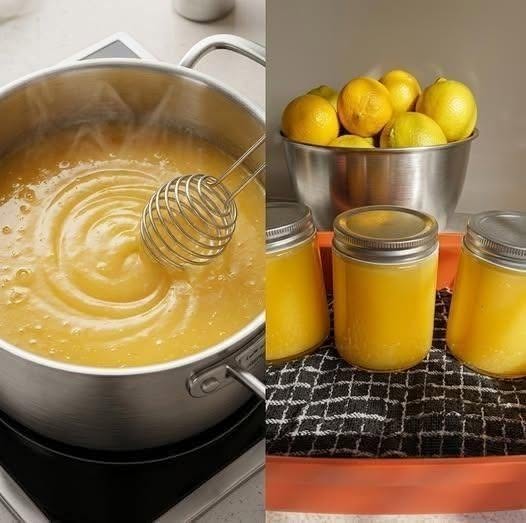
Bright, silky, creamy, and wonderfully fresh, homemade lemon curd is a simple recipe that can transform everyday breakfasts and desserts. It has an intense citrus flavor, a smooth custard-like texture, and a delicious balance of sweet and tart flavors. Once prepared, it can be spread on toast, spooned over pancakes, layered into cakes, or used as a filling for tarts and pastries.
The best part is that lemon curd requires only a few basic ingredients. Fresh lemons provide both juice and fragrant zest, while eggs create the creamy custard base. Sugar balances the natural tartness of the lemons, and butter gives the finished curd its rich, glossy texture.
Although lemon curd may sound like an advanced dessert component, it is surprisingly easy to prepare at home. The most important technique is gentle cooking. Keeping the temperature relatively low and stirring frequently allows the eggs to thicken gradually without scrambling.
This recipe is written from scratch in original wording and is suitable for use as a general-purpose recipe article.
Why You’ll Love This Recipe
- Fresh, bright lemon flavor
- Smooth and silky texture
- Made with simple ingredients
- Easy to prepare at home
- Excellent for breakfast or dessert
- Perfect as a cake or tart filling
- Delicious with pancakes and waffles
- Can be prepared ahead of time
- Keeps well in the refrigerator
- Can be frozen for longer storage
- Easy to customize according to your taste
Ingredients
For the Lemon Curd
- 4 large fresh lemons
- 3 large eggs
- 1 large egg yolk
- ¾ cup granulated sugar
- ½ cup freshly squeezed lemon juice
- 1 tablespoon finely grated lemon zest
- ½ cup unsalted butter, cut into small pieces
- 1 small pinch of salt
- 1 teaspoon vanilla extract, optional
1. Choose Fresh Lemons
The quality of the lemons has a noticeable effect on the finished curd. Choose lemons that feel heavy for their size and have firm, brightly colored skin. Fresh lemons usually provide a more fragrant zest and cleaner flavor than bottled lemon juice.
If possible, choose unwaxed or organic lemons when you intend to use the peel. Since the zest contributes much of the lemon’s aroma, it is worth using good-quality fruit.
Wash the lemons thoroughly under cool water and dry them before zesting.
2. Prepare the Lemon Zest
Use a fine grater or microplane to remove the yellow outer layer of the lemon peel.
Take care not to grate too deeply. The white layer underneath, known as the pith, has a bitter taste and can make the curd unpleasant if too much gets into the mixture.
Measure approximately 1 tablespoon of finely grated zest.
Zesting the lemons before juicing them is generally easier because whole lemons are easier to hold and grate.
3. Juice the Lemons
Cut the lemons in half and squeeze them using a citrus juicer or by hand.
Remove any seeds and large pieces of pulp. A fine-mesh strainer works well for this.
You need approximately ½ cup of fresh lemon juice for this recipe.
Fresh juice is strongly recommended because it gives the curd a vibrant citrus character. Bottled lemon juice can work in an emergency, but it generally does not have the same fresh aroma.
4. Combine the Eggs and Sugar
Place the eggs, egg yolk, and granulated sugar in a medium heatproof bowl.
Whisk until the mixture is smooth and evenly combined. There is no need to whip the eggs until fluffy. The goal is simply to blend the ingredients thoroughly.
Add the lemon zest and a small pinch of salt.
The sugar does more than provide sweetness. It also helps balance the acidity of the lemon and contributes to the smooth consistency of the finished curd.
5. Add the Lemon Juice
Slowly pour the freshly squeezed lemon juice into the egg mixture while whisking.
Continue mixing until the juice is completely incorporated.
At this stage, the mixture will be thin and pale yellow. That is normal. The thick, creamy texture develops during cooking.
6. Begin Cooking the Curd
Pour the lemon mixture into a saucepan with a heavy bottom, or use a heatproof bowl positioned over a saucepan of gently simmering water to create a double boiler.
Place the mixture over low to medium-low heat.
Stir continuously using a silicone spatula or whisk. Scrape around the bottom and sides of the pan as you work.
This is the most important stage of the recipe.
Avoid high heat. If the eggs become too hot too quickly, they can begin to scramble instead of forming a smooth custard.
Cook the mixture patiently for approximately 8–12 minutes, depending on your cookware and heat level.
7. Look for the Correct Consistency
As the lemon curd cooks, it will gradually become thicker.
One of the easiest ways to check whether it is ready is the spoon test. Dip a clean spoon into the curd and lift it out. The mixture should coat the back of the spoon.
Run your finger through the coating. If the line remains visible instead of immediately filling in, the curd is ready.
If you use a kitchen thermometer, aim for approximately 170–175°F (77–80°C).
Do not worry if the curd still appears slightly loose at this point. It becomes considerably thicker as it cools.
8. Add the Butter
Remove the cooked curd from the heat.
Add the butter pieces gradually, stirring after each addition.
Continue stirring until the butter has completely melted and the mixture looks smooth and glossy.
The butter adds richness while also giving lemon curd its characteristic luxurious texture.
If you are using vanilla extract, add it now and stir thoroughly.
Although vanilla is optional, a small amount can soften the sharpness of the lemon while adding another layer of flavor.
9. Strain the Lemon Curd
For an exceptionally smooth result, pour the warm lemon curd through a fine-mesh sieve into a clean bowl.
Use a spatula to gently push the mixture through the sieve.
This step catches tiny pieces of cooked egg, excess zest, or other small particles that may remain after cooking.
Straining is especially useful when you plan to use the curd as a cake, tart, or pastry filling because it creates a beautifully refined texture.
10. Cool the Curd
Place plastic wrap directly against the surface of the warm curd.
This helps prevent a skin from forming while it cools.
Let the curd stand at room temperature for approximately 20–30 minutes before transferring it to the refrigerator.
Once chilled, the lemon curd will become thicker and more spreadable.
11. Check the Finished Texture
Properly prepared lemon curd should be thick, glossy, creamy, and smooth.
It should be firm enough to spread but soft enough to spoon easily.
Keep in mind that hot lemon curd will always appear thinner than refrigerated curd. Avoid cooking it for an excessively long time simply because it does not look thick enough immediately after coming off the stove.
12. Serve Lemon Curd for Breakfast
Lemon curd is an excellent breakfast spread.
Spoon it onto:
- Toast
- English muffins
- Freshly baked bread
- Scones
- Pancakes
- Waffles
- Crepes
For a simple presentation, spread chilled lemon curd over warm toast and add a few fresh berries on top.
The combination of creamy lemon, crisp toast, and juicy fruit makes an easy but impressive breakfast.
13. Use It as a Cake Filling
Lemon curd makes an excellent filling between cake layers.
It works particularly well with:
- Vanilla cake
- Lemon cake
- Coconut cake
- Almond cake
- White chocolate cake
- Strawberry cake
- Blueberry cake
- Plain sponge cake
For easier handling, refrigerate the curd until completely chilled before assembling the cake.
If you are concerned about the curd spreading beyond the edges, pipe a ring of buttercream around the outside of each cake layer and place the lemon curd inside the ring.
14. Make Lemon Tarts
Lemon curd can also be used as a simple filling for sweet pastry shells.
Prepare a baked tart shell, allow it to cool completely, and then fill it with chilled or slightly cooled lemon curd.
Finish the tart with whipped cream, fresh berries, powdered sugar, or thin slices of lemon.
15. Create Easy Desserts
You can turn lemon curd into a quick dessert without making an elaborate cake.
Layer lemon curd with whipped cream and fresh berries in small glasses. Add crushed cookies or shortbread for texture.
Another easy option is to swirl a spoonful of lemon curd into Greek yogurt. The result is creamy, tangy, and refreshing.
16. Try Flavor Variations
Meyer Lemon Curd
If Meyer lemons are available, they can be substituted for regular lemons. They tend to have a sweeter, more floral citrus flavor.
Lime Curd
Replace the lemon juice and zest with fresh lime juice and lime zest. Lime curd is especially delicious with coconut desserts.
Orange Curd
Use fresh orange juice and zest for a milder, sweeter citrus spread. Orange curd pairs particularly well with chocolate and vanilla desserts.
Lemon-Ginger Curd
Add a small amount of finely grated fresh ginger while cooking. Ginger provides gentle warmth that complements the bright lemon flavor.
Lemon-Berry Dessert
Layer lemon curd with blueberries, strawberries, whipped cream, and crushed cookies for an easy no-bake dessert.
17. Avoid Common Mistakes
Cooking at High Heat
High heat is one of the easiest ways to ruin lemon curd. The eggs may cook too rapidly and form scrambled pieces.
Keep the heat low and be patient.
Failing to Stir
Stirring helps distribute the heat evenly and prevents the mixture from sticking to the bottom of the pan.
Using Too Much Zest
Zest provides wonderful citrus aroma, but excessive amounts can introduce bitterness.
A tablespoon is enough to give this recipe a noticeable lemon character.
Skipping the Strainer
The curd may still taste delicious without straining, but passing it through a sieve produces a smoother and more professional result.
Overcooking
Remember that the curd continues to thicken during cooling. Cooking it until it becomes extremely thick in the pan can result in a texture that is too firm after refrigeration.
18. Store Lemon Curd Properly
Allow the curd to cool before transferring it to a clean airtight container.
Keep it refrigerated and use a clean spoon whenever serving.
Homemade lemon curd can generally be kept refrigerated for approximately 1–2 weeks, depending on preparation and storage conditions.
For longer storage, lemon curd can also be frozen. Place it in a suitable freezer-safe container, leaving a little room for expansion.
Frozen lemon curd can generally be stored for approximately 2–3 months. Thaw it overnight in the refrigerator and stir thoroughly before serving.
19. Frequently Asked Questions
Can I make lemon curd without butter?
Yes. Butter is responsible for much of the richness and silky texture, but it can be omitted. The finished curd will be lighter and less rich.
Why did my lemon curd become lumpy?
Lumps usually mean the eggs became too hot or were not stirred sufficiently. Reduce the heat and stir continuously. If small lumps remain, strain the finished curd through a fine-mesh sieve.
Can I use bottled lemon juice?
Yes, but fresh lemon juice is preferable. Freshly squeezed juice provides a brighter and more natural citrus flavor.
Why is my lemon curd too thin?
The curd may simply need more time to cool. Refrigeration causes it to become noticeably thicker. If it remains thin after chilling, it may not have been cooked long enough.
Can I make it sweeter?
Absolutely. The sweetness of lemons varies, so you can adjust the sugar slightly according to your preference.
Can lemon curd be prepared ahead?
Yes. It is an excellent make-ahead component. Preparing it a day before you need it gives the curd plenty of time to chill and reach its ideal consistency.
20. Approximate Nutrition
Nutrition will vary according to the exact size of the lemons and eggs, the butter used, and the serving size.
As a rough estimate, a 2-tablespoon serving may contain approximately:
- Calories: 120
- Carbohydrates: 13g
- Protein: 1g
- Fat: 7g
- Sugar: 12g
These numbers are estimates rather than laboratory-tested nutritional values.
21. Final Thoughts
Homemade lemon curd is proof that a few everyday ingredients can produce something remarkably delicious. Fresh lemon juice provides its bright, tangy flavor, while lemon zest adds an aromatic citrus note. Eggs create the creamy custard base, sugar balances the acidity, and butter gives the finished curd its smooth and glossy texture.
The key to success is simple: use fresh lemons, cook the mixture gently, stir continuously, and allow the curd to cool properly.
Once you have a jar of homemade lemon curd in the refrigerator, there are countless ways to enjoy it. Spread it over toast, spoon it onto pancakes, serve it with scones, layer it between cake slices, fill cupcakes and tarts, or combine it with whipped cream and fresh berries.
It is an easy recipe to prepare, but the finished result feels special enough for celebrations and elegant desserts. With a little patience and careful cooking, you can make a bright, creamy, silky lemon curd that adds fresh citrus flavor to almost any sweet treat.