Cheesy Mashed Potato Pancakes Recipe – Crispy, Golden, Cheesy and EasyLeftover mashed potatoes can become much more exciting with a few simple ingredients and a hot skillet. Instead of serving yesterday’s potatoes in the same way, turn them into delicious Cheesy Mashed Potato Pancakes with a golden, lightly crisp outside and a soft, flavorful center.These savory potato pancakes combine creamy mashed potatoes with melted cheese, green onions, cooked bacon or ham, eggs, flour, garlic, and herbs. They are easy enough for a casual family meal but tasty enough to serve as an appetizer or party snack. A spoonful of sour cream on top adds a cool, creamy contrast that makes every bite even better.The recipe is especially useful when you have leftover mashed potatoes after a holiday dinner, Sunday roast, or family meal. With minimal preparation and one mixing bowl, those leftovers can become an entirely different dish.1. Why Make Cheesy Mashed Potato Pancakes?There are plenty of reasons to keep this recipe handy. Leftover mashed potatoes are already cooked, so the main task is simply combining them with ingredients that provide structure and flavor.The potatoes create a creamy foundation, while the eggs and flour help the mixture hold together. Cheese adds richness and creates pockets of melted goodness, while green onions provide freshness.Cooked bacon gives the pancakes a smoky, savory character, while ham creates a slightly milder flavor. You can choose whichever option you prefer or use whatever is already available in your refrigerator.The pancakes are also flexible enough to serve in several ways. They can become a breakfast side, lunch, dinner accompaniment, appetizer, snack, or even the main part of a simple meal.2. Recipe Details
Prep Time: About 15 minutes
Cooking Time: About 30 minutes
Total Time: Approximately 45 minutes
Yield: 12 pancakes
Pancake Thickness: About 1.5 cm
Cooking Method: Skillet
Difficulty: Easy
The cooking time can vary depending on the size of your skillet and how many pancakes you fry in each batch.3. IngredientsFor the Potato Pancakes
4 cups leftover mashed potatoes
1½ cups shredded cheese
½ cup whole wheat flour
3 large eggs
½ cup finely chopped green onions
½ cup cooked, crumbled bacon or chopped cooked ham
1 teaspoon garlic powder
1 teaspoon dried parsley
¼ teaspoon dried thyme, optional
Salt, to taste
Black pepper, to taste
1–2 teaspoons vegetable oil for each skillet batch
For Serving
Sour cream
Sliced green onions
Extra shredded cheese, optional
Fresh parsley, optional
A mixture of cheddar and mozzarella works particularly well. Cheddar supplies a bold cheesy flavor, while mozzarella melts beautifully and gives the pancakes a soft, satisfying texture.4. Choose the Best Mashed PotatoesThe best mashed potatoes for this recipe are thick rather than watery. Plain leftover mashed potatoes are ideal, although garlic mashed potatoes can also produce excellent results.Mashed potatoes become firmer after refrigeration, and that is actually useful when making pancakes. However, very cold potatoes can be difficult to mix with eggs, cheese, and flour.Remove the potatoes from the refrigerator about 30 minutes before preparing the recipe. This gives them time to soften slightly.If you’re in a hurry, place them in a bowl and gently break them apart with a potato masher. Removing large cold clumps makes it much easier to create an evenly mixed potato mixture.5. Prepare the CheeseMeasure approximately 1½ cups of shredded cheese.A combination of cheddar and mozzarella is a great choice. The cheddar adds a stronger flavor, while mozzarella melts smoothly throughout the potatoes.You can use mild cheddar for a gentle flavor or sharp cheddar if you want the cheese to be more noticeable.Other good melting cheeses can also work, but avoid choosing a cheese that releases excessive oil during cooking.6. Prepare the Bacon or HamIf you’re using bacon, cook it until nicely browned, then allow it to cool slightly before crumbling it into small pieces.If you’re using ham, simply chop the cooked ham into small pieces.Bacon creates a smoky, salty flavor that pairs naturally with potatoes and cheese. Ham gives the pancakes a softer savory flavor and is an excellent choice when you already have leftover ham available.Whichever option you choose, small pieces distribute more evenly throughout the mixture.7. Mix Everything TogetherPlace the mashed potatoes in a large bowl.Add the shredded cheese, whole wheat flour, green onions, cooked bacon or ham, eggs, garlic powder, dried parsley, and optional thyme.Add salt and black pepper according to taste.Mix everything thoroughly with a large spoon or spatula.This is one of the most important parts of the recipe. The ingredients should be evenly distributed so that every pancake contains a good balance of potato, cheese, herbs, green onion, and bacon or ham.The mixture should be moist and cohesive but firm enough to shape.8. Adjust the Mixture if NecessaryMashed potatoes can differ considerably in consistency. Some are thick and fluffy, while others contain more milk, butter, or cream.If your mixture seems too soft to shape, add a little more flour. Add it gradually so you don’t accidentally make the pancakes heavy.If your potatoes are especially dry, work them thoroughly before mixing in the remaining ingredients.The ideal mixture should be soft enough to make tender pancakes but firm enough that a shaped patty holds its form.9. Shape the PancakesDivide the potato mixture into approximately 12 portions.Shape each portion into a round patty.Try to make the pancakes approximately the same size and thickness. Aim for around 1.5 cm thick.Uniform pancakes are easier to cook because they should require roughly the same amount of time in the skillet.Avoid making them extremely thin because they may dry out. Very thick patties can take longer to heat through.Place the shaped pancakes on a clean plate or tray while you prepare your skillet.10. Heat the SkilletPlace a large non-stick skillet over medium heat.Allow it to warm for a few minutes, then add approximately 1–2 teaspoons of vegetable oil.You only need enough oil to lightly coat the cooking surface.The goal is to create a golden crust rather than deep-fry the potato pancakes.Medium heat is important. If the pan is too hot, the exterior can become dark before the center is properly heated. If the pan isn’t hot enough, the pancakes may absorb too much oil and fail to develop a pleasant crust.11. Cook the First SideCarefully place the potato pancakes into the heated skillet.Do not overcrowd the pan. Leave enough space between each patty to make turning them easy.Cook for approximately 5 minutes on the first side.Try not to move the pancakes repeatedly. Allowing them to remain in place gives the bottom enough time to form a golden-brown crust.When the underside looks golden and firm, carefully slide a spatula underneath and turn each pancake.12. Cook the Second SideAfter turning the pancakes, cook the second side for another 5 minutes, or until it becomes golden brown and the pancakes are heated through.The exact time may vary depending on their thickness and the temperature of your skillet.You should see a lightly crisp exterior while the inside remains soft and cheesy.If the pancakes become brown too quickly, reduce the heat slightly.Remember that the mashed potatoes are already cooked, so you’re mainly heating the interior and creating a golden exterior.13. Don’t Overcrowd the SkilletCooking the pancakes in batches is often the easiest approach.Overcrowding can cause several problems. The pancakes may be difficult to flip, the skillet temperature may drop, and the patties may steam rather than brown properly.Giving each pancake enough room also makes it easier to slide a spatula underneath without damaging the edges.If your skillet is large enough, cook several pancakes at once while still leaving comfortable space between them.Add a small amount of oil between batches if necessary.14. How to Know They’re ReadyProperly cooked mashed potato pancakes should have:
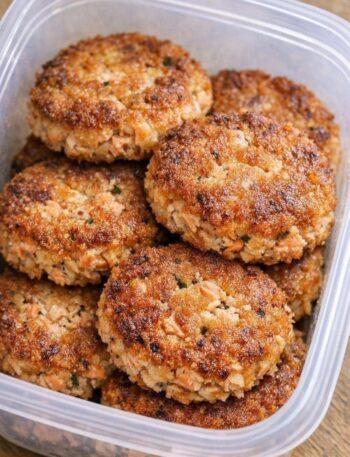
A golden-brown exterior
Lightly crisp edges
A warm, soft center
Melted cheese throughout
Enough structure to hold their shape
A pleasant savory aroma
The contrast between the browned exterior and creamy center is the main attraction of this dish.Don’t worry if a little cheese escapes onto the skillet and becomes crispy. Those browned cheese pieces can add extra flavor.15. Serve With Sour CreamTransfer the finished pancakes to a serving plate while they’re still warm.Top each one with a small spoonful of sour cream.The cool sour cream contrasts beautifully with the hot, crisp potato exterior.For additional color and freshness, sprinkle sliced green onions over the top.You can also add a little extra shredded cheese or fresh parsley if desired.A simple combination of crispy potato pancake + sour cream + green onion is enough to make an excellent snack or side dish.16. Serve Them as a Side DishThese pancakes make a wonderful alternative to traditional mashed potatoes.Serve them alongside roasted chicken, grilled meat, vegetables, or a simple salad.Because they already contain potatoes and cheese, you don’t need to prepare a complicated collection of side dishes.A fresh green salad or steamed vegetables can balance the richness of the pancakes and turn them into a complete meal.17. Serve Them as an AppetizerFor an appetizer platter, make the patties slightly smaller.Arrange the cooked pancakes on a large serving plate and place sour cream or another creamy dip in the center.Guests can pick up individual pancakes and add their preferred amount of topping.Fresh green onions or chopped parsley make an attractive garnish when serving them to a group.18. Turn Them Into a Simple MealA few potato pancakes can become a satisfying meal when paired with vegetables.Try serving them with:
A fresh garden salad
Steamed broccoli
Roasted carrots
Sautéed spinach
Grilled vegetables
Tomato and cucumber salad
The pancakes provide carbohydrates, cheese and eggs contribute protein and richness, while vegetables bring freshness and variety.19. Customize the FlavorThe basic recipe is easy to adapt.For extra heat, add a pinch of cayenne pepper or crushed red pepper.For a smoky flavor, use smoked paprika.For additional herbs, try oregano, chives, rosemary, or fresh parsley.Finely diced red bell pepper can add sweetness and color. Grated carrot can also be incorporated in a small amount.If you have leftover cooked vegetables, chop them finely and add a modest quantity to the mixture.The important thing is not to add so many wet ingredients that the mixture becomes difficult to shape.20. Bacon Versus HamBoth choices produce delicious results.Bacon gives the pancakes a stronger smoky and salty character. It works especially well with sharp cheddar and green onions.Ham has a milder flavor and can make the pancakes feel slightly lighter. It is particularly useful after a meal where leftover ham is already available.You can also make the pancakes without either ingredient. The cheese, herbs, garlic, and green onions provide plenty of flavor on their own.21. Fresh Parsley or Dried ParsleyDried parsley is convenient because it can be added directly to the mixing bowl.If using fresh parsley instead, approximately 2 teaspoons of finely chopped fresh parsley can replace the dried parsley.Fresh parsley adds a brighter herbal flavor, while dried parsley provides a subtle background note.Either option works well.22. The Role of ThymeThyme is optional but can give the potato pancakes a pleasant herbal depth.Only a small amount is necessary. Approximately ¼ teaspoon of dried thyme is enough.If you don’t enjoy thyme, simply leave it out. The recipe does not depend on it for structure or flavor.23. How to Keep the Pancakes From BreakingThe eggs and flour help create structure, but technique also matters.Make sure all ingredients are mixed thoroughly.Keep the patties close to the recommended thickness.Allow the first side to brown before attempting to flip the pancake.Use a broad spatula and turn the pancake gently.If the mixture is very soft, add a small amount of additional flour and allow it to sit for a few minutes before shaping.Avoid repeatedly turning the pancakes because each additional movement increases the chance of breaking them.24. What If Your Potatoes Are Already Salty?Leftover mashed potatoes may already contain butter, milk, salt, garlic, or other seasonings.Before adding extra salt, taste the potatoes.Bacon, ham, and cheese can also contribute saltiness, so you may need less additional seasoning than expected.Add salt gradually and taste the mixture before shaping if appropriate.25. Storing Leftover PancakesIf you have cooked pancakes remaining after the meal, allow them to cool before placing them in an airtight container.Refrigerate the leftovers and reheat them thoroughly when you’re ready to serve them again.A skillet or air fryer can help bring back some of the crisp exterior.Avoid repeatedly reheating the same pancakes because the potato center can gradually become dry.26. Freezing Mashed Potatoes for LaterYou can also save leftover mashed potatoes specifically for making future pancakes.Allow the potatoes to cool, then place them in a suitable airtight freezer container or freezer bag.When you want to prepare the pancakes, thaw the potatoes and allow them to soften closer to room temperature.Break up any large clumps before adding the remaining ingredients.This is an easy way to turn stored leftovers into a completely different meal later.27. Common Problems and SolutionsPancakes are falling apart: The mixture may be too wet. Add a small amount of flour and handle the patties carefully.Pancakes are burning: Lower the skillet temperature. Medium heat should provide enough time for the center to warm while the exterior browns.Pancakes aren’t browning: Make sure the skillet is properly heated before adding the patties.Pancakes are greasy: Reduce the amount of oil. Only a small amount is needed.Pancakes are too dense: Avoid adding excessive flour, and make sure the potato mixture isn’t packed too tightly.Pancakes are difficult to flip: Allow the first side to cook longer so it develops a firm crust before turning.28. Frequently Asked QuestionsCan I use garlic mashed potatoes?Yes. Garlic mashed potatoes can add even more flavor. If your potatoes already contain plenty of garlic, reduce or omit the additional garlic powder.Can I make these without meat?Absolutely. Simply leave out the bacon or ham. You can add extra green onions, herbs, or a small amount of finely chopped vegetables instead.Can I use only cheddar?Yes. Cheddar alone works well and gives the pancakes a stronger cheese flavor.How many pancakes does the recipe make?The mixture makes approximately 12 pancakes, depending on their size.What is the best topping?Sour cream is an easy favorite. Sliced green onions, fresh parsley, and a little extra cheese are also excellent toppings.Can I use fresh parsley?Yes. Use approximately 2 teaspoons of finely chopped fresh parsley in place of the dried parsley.29. Final Serving IdeaFor a simple and attractive presentation, arrange three warm pancakes on each plate.Add a spoonful of sour cream to the top, scatter sliced green onions over the pancakes, and serve with a small fresh salad on the side.The result is a comforting meal that looks far more elaborate than the simple leftover ingredients used to make it.30. Final ThoughtsThese Cheesy Mashed Potato Pancakes are proof that leftovers can become one of the best parts of a meal. Cold mashed potatoes provide the perfect foundation for a new dish when combined with cheese, eggs, flour, green onions, herbs, and cooked bacon or ham.The preparation is simple: bring the potatoes closer to room temperature, mix everything in one bowl, shape the mixture into evenly sized patties, and cook them in a lightly oiled skillet over medium heat.After several minutes on each side, the pancakes develop a beautiful golden crust while remaining soft, warm, and cheesy inside.Serve them with sour cream and green onions for a simple snack, place them beside roasted vegetables as a dinner side, or make smaller versions for an appetizer platter.Most importantly, this recipe gives leftover mashed potatoes a completely new purpose. Instead of reheating yesterday’s side dish, you can turn it into something crispy, cheesy, comforting, and delicious enough that you may find yourself making extra mashed potatoes just to prepare another batch of pancakes.