A Complete Guide to Fluffy, Buttery, Low-Heat Scrambled Eggs with Perfect Texture
Introduction: Why This Scrambled Eggs Method Works So Well
Scrambled eggs are one of the most popular breakfast dishes in the world, yet surprisingly, they are also one of the most commonly overcooked foods in home kitchens. Many people end up with dry, rubbery, or watery eggs simply because the cooking temperature is too high or the stirring technique is rushed.
This guide focuses on a low heat scrambled eggs technique that produces creamy, soft, and fluffy eggs similar to what you would find in a high-end breakfast café or hotel breakfast buffet. The secret lies in gentle heat control, continuous stirring, and timing the removal of eggs from the pan before they are fully set.
This method is widely considered one of the best ways to prepare restaurant-style scrambled eggs, especially for those who prefer a rich, custard-like texture instead of dry curds.
Whether you are cooking for a quick weekday breakfast or a special brunch, this method ensures consistently perfect results.
Key Ingredients for Perfect Soft Scrambled Eggs
One of the most beautiful things about scrambled eggs is their simplicity. You do not need a long list of ingredients—just a few basic kitchen staples:
- Fresh eggs (the main ingredient and foundation of flavor)
- Butter (for richness, creaminess, and smooth texture)
- Milk or cream (optional, used for extra softness and fluffiness)
- Salt (for seasoning after cooking)
- Black pepper (for mild heat and aroma)
- Fresh herbs or grated cheese (optional garnish for enhanced flavor)
Each ingredient plays a specific role in creating the perfect balance of taste and texture. Butter enhances richness, while milk or cream softens the structure of the eggs. Seasoning at the end ensures the eggs stay moist and flavorful.
Understanding the Science Behind Fluffy Scrambled Eggs
To master scrambled eggs, it helps to understand what happens during cooking. Eggs are made of proteins that tighten when exposed to heat. If heat is too high, these proteins contract too quickly, squeezing out moisture and creating a dry, rubbery texture.
A low heat cooking method allows the proteins to set slowly, trapping moisture inside. This creates soft curds instead of firm chunks. Continuous stirring also helps distribute heat evenly, preventing overcooking in one area.
Adding butter not only improves flavor but also coats the proteins, making them more tender. This is why butter-based scrambled eggs often taste richer and smoother than oil-based versions.
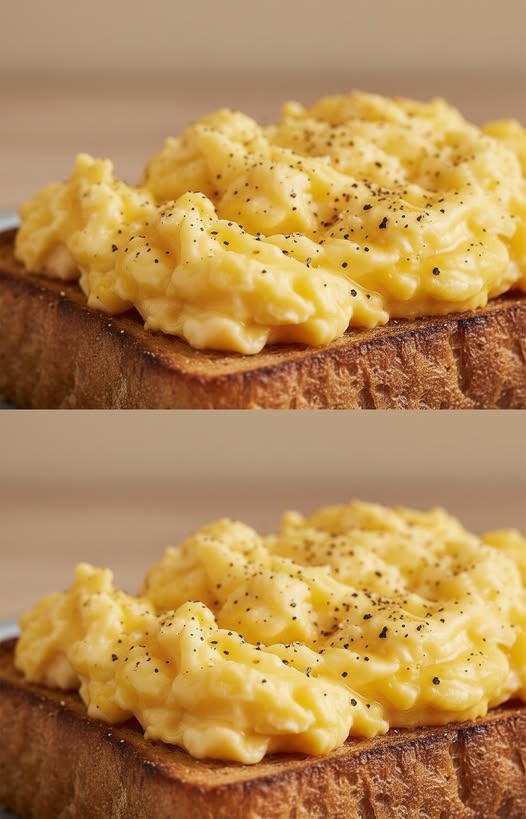
The result of this careful process is a dish with a custard-like consistency, often described as silky, creamy, and melt-in-the-mouth.
Step-by-Step Technique for Creamy Scrambled Eggs
1. Proper Egg Beating for Maximum Fluffiness
The first step in achieving fluffy scrambled eggs is properly whisking the eggs. Crack fresh eggs into a clean mixing bowl and beat them thoroughly until the yolks and whites are fully combined.
The more air you incorporate during whisking, the lighter your scrambled eggs will become. Some cooks prefer adding a small splash of milk or cream at this stage, which enhances softness and creates a richer texture.
The mixture should appear smooth, slightly frothy, and evenly colored before moving to the cooking stage.
2. Gentle Heat Preparation Using a Nonstick Pan
Choose a high-quality nonstick pan to prevent sticking and allow smooth stirring. Place the pan on the stove and set it to low heat.
Add butter and let it melt slowly without letting it brown. Browning butter changes the flavor profile and can make the eggs taste slightly nutty, which is not ideal for classic soft scrambled eggs.
Low heat is essential because it gives you better control over cooking speed and prevents sudden overcooking.
3. Pouring and Slow Stirring Technique
Once the butter is fully melted and gently coating the pan, pour in the whisked eggs.
Immediately begin stirring with a silicone spatula or wooden spoon. The key here is continuous movement—scrape the bottom and sides of the pan gently to form soft curds.
At first, the eggs will look very liquid, but gradually they will begin to thicken. This slow transformation is what creates the signature creamy texture.
Avoid rushing this step. The slower the cooking process, the softer the final result.
4. Removing Eggs at the Perfect Moment
One of the most important secrets to perfect scrambled eggs is knowing when to remove them from heat.
The eggs should still appear slightly runny when taken off the stove. This may seem undercooked, but it is intentional. Residual heat from the pan continues cooking the eggs even after removal.
If you wait until the eggs are fully firm in the pan, they will become dry and overcooked by the time they reach the plate.
This technique is often used in professional kitchens to ensure a perfectly soft texture every time.
5. Final Seasoning and Serving Method
Seasoning should always be done at the end of cooking. Adding salt too early can draw out moisture and make the eggs watery.
Sprinkle salt and freshly ground black pepper after removing the pan from heat. This preserves texture and enhances natural flavor.
For extra taste, you can add:
- Fresh herbs such as parsley or chives
- A light sprinkle of grated cheese for richness
- A small knob of butter for added gloss and creaminess
Serve immediately while warm, as scrambled eggs lose their soft texture when left sitting for too long.
Expert Tips for Perfect Restaurant-Style Scrambled Eggs
To elevate your scrambled eggs from basic to professional quality, follow these culinary tips:
1. Always use low heat:
High heat is the most common mistake. It causes eggs to become dry and grainy.
2. Use fresh eggs whenever possible:
Fresh eggs have stronger yolks, better color, and improved flavor.
3. Prefer butter over oil:
Butter gives a creamy, rich finish that oil cannot replicate.
4. Stir continuously but gently:
Harsh stirring breaks curds too aggressively. Slow, controlled movement is best.
5. Remove early, not late:
Eggs continue cooking after leaving the pan, so timing is everything.
Common Mistakes to Avoid
Even though scrambled eggs are simple, several common mistakes can ruin the texture:
- Cooking on high heat
- Over-whisking until eggs become watery
- Overcooking in the pan
- Adding salt too early
- Using a dry or old pan without nonstick coating
Avoiding these errors will instantly improve your results.
Variations You Can Try (Without Changing Core Ingredients)
While the base recipe is simple, you can slightly enhance it without changing its structure:
- Add herbs like dill, parsley, or chives for freshness
- Sprinkle cheddar or parmesan for a cheesy version
- Add a small splash of cream for ultra-rich texture
- Serve on toast, croissant, or breakfast wraps
These variations keep the recipe authentic while allowing personalization.
Why This Method Is Better Than Fast Cooking
Fast cooking scrambled eggs often leads to uneven texture, where some parts are dry while others are watery. The low heat method solves this problem by ensuring uniform cooking.
This technique is widely used in professional kitchens because it guarantees:
- Smooth, creamy texture
- Even cooking
- Better flavor retention
- Soft and fluffy consistency
If you are aiming for perfect scrambled eggs every time, this method is one of the most reliable approaches.
Final Thoughts
Mastering scrambled eggs is less about complexity and more about control. Once you understand heat management and timing, you can consistently create soft, creamy, and flavorful eggs.
This method transforms a simple breakfast dish into a luxurious, restaurant-quality experience. With practice, you will be able to adjust texture exactly the way you like it—slightly runny, medium soft, or fully set but still creamy.
Part 2: Quick & Easy Creamy Scrambled Eggs (Simple Home Recipe Version)
Soft, Buttery Breakfast Eggs Ready in Minutes
This is the simplified, everyday version of soft scrambled eggs. It uses the same core ingredients but is designed for quick cooking, beginner-friendly steps, and consistent results at home. Perfect for busy mornings, light breakfasts, or a protein-rich snack.
Ingredients (Keep It Simple and Classic)
- 2–3 fresh eggs
- 1 tablespoon butter
- Salt to taste (add after cooking)
- Black pepper to taste
- Optional: a splash of milk or cream for extra softness
- Optional garnish: chopped herbs or grated cheese
Quick Step-by-Step Instructions
1. Whisk the Eggs Well
Crack the eggs into a bowl and whisk until the yolks and whites are fully mixed. If you want softer scrambled eggs, add a small splash of milk or cream and whisk again until slightly frothy.
2. Heat the Pan on Low Flame
Place a nonstick pan on low heat. Add butter and let it melt gently without turning brown. The butter should coat the pan evenly.
3. Cook Eggs Slowly
Pour in the whisked eggs. Stir continuously using a spatula or spoon. Keep the movement slow and steady, scraping the bottom so the eggs form soft, creamy curds.
4. Turn Off Heat Early
When the eggs are still slightly soft and a little runny, turn off the heat. Keep stirring for a few seconds—the residual heat will finish cooking them perfectly.
5. Season and Serve Fresh
Add salt and black pepper after cooking. Mix gently and serve immediately while warm. Add herbs or cheese if desired.
Quick Tips for Best Results
- Always cook on low heat for soft texture
- Don’t overcook—remove eggs while slightly creamy
- Use butter instead of oil for richer flavor
- Stir continuously for smooth, fluffy curds
- Serve immediately for best taste and texture
Serving Ideas
- On toasted bread for a quick breakfast
- Inside a breakfast sandwich or wrap
- Alongside tea or coffee for a light meal
- With avocado or sautéed vegetables for a healthy plate
Final Note
This quick version keeps everything simple while still giving you soft, creamy, restaurant-style scrambled eggs at home. Once you master this basic method, you can easily adjust texture and flavor to your liking.