Scrambled eggs are one of the most popular breakfast foods enjoyed across the globe. From busy weekday mornings to relaxing weekend brunches, this simple egg dish remains a favorite because it is fast, affordable, filling, and incredibly satisfying. Although scrambled eggs appear easy to prepare, creating eggs that are perfectly soft, creamy, fluffy, and flavorful requires the right cooking method and a few essential techniques.
Many people struggle with scrambled eggs that turn out dry, rubbery, watery, or overcooked. The good news is that making restaurant-style scrambled eggs at home is completely achievable with a few quality ingredients and proper heat control. Whether you are preparing a healthy breakfast, a high-protein meal, or a quick family brunch, learning how to cook scrambled eggs correctly can completely upgrade your breakfast routine.
This complete guide covers everything you need to know about preparing the best homemade scrambled eggs. You will learn about choosing ingredients, understanding texture, selecting the proper cookware, mastering cooking techniques, avoiding common mistakes, and creating delicious variations. If you have searched for terms like best scrambled eggs recipe, how to make fluffy scrambled eggs, creamy scrambled eggs technique, easy breakfast egg ideas, or perfect soft scrambled eggs, this guide is designed for you.
Why Scrambled Eggs Remain One of the Best Breakfast Choices
Eggs are considered one of the most nutritious and versatile foods available. Scrambled eggs are especially popular because they are simple to prepare while still offering excellent flavor and texture.
Here are several reasons why scrambled eggs continue to be a breakfast favorite:
- Quick cooking time
- High protein content
- Budget-friendly ingredients
- Suitable for beginners
- Easy to customize
- Works for breakfast, lunch, or dinner
- Pairs well with many side dishes
- Naturally low in carbohydrates
Scrambled eggs also fit into many eating styles, including high-protein diets, low-carb meal plans, healthy breakfast routines, and balanced family meals.
The Secret Behind Perfect Scrambled Eggs
Many people assume scrambled eggs are foolproof, but the final texture depends heavily on technique. The difference between creamy eggs and dry eggs usually comes down to temperature and timing.
The key factors include:
- Cooking over low or medium-low heat
- Gentle stirring instead of aggressive mixing
- Removing eggs before they fully set
- Using butter for richness
- Avoiding overcooking
Perfect scrambled eggs should feel soft, moist, tender, and fluffy instead of dense or rubbery.
Understanding Different Styles of Scrambled Eggs
Not everyone enjoys the same texture when it comes to scrambled eggs. Different cooking styles create different results.
Soft Scrambled Eggs
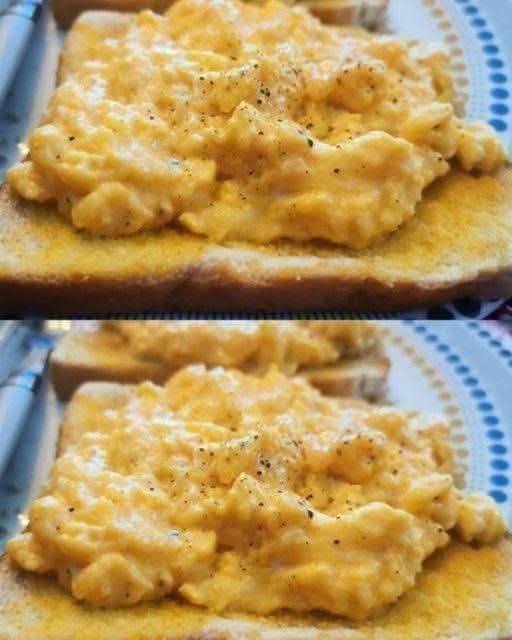
Soft scrambled eggs are creamy and delicate with small tender curds. They are cooked slowly and removed from heat while slightly glossy.
Classic Fluffy Scrambled Eggs
This style creates larger curds that are light, airy, and fully cooked while still moist inside.
Firm Scrambled Eggs
Firm scrambled eggs are cooked longer until completely set. They have a drier texture and are commonly used in breakfast sandwiches or wraps.
This recipe focuses primarily on achieving creamy and fluffy scrambled eggs that remain soft and flavorful.
Choosing the Best Eggs for Scrambling
Fresh eggs provide the best flavor and texture. High-quality eggs also produce brighter color and richer taste.
When choosing eggs, consider the following:
- Large eggs work best for consistency
- Fresh eggs hold texture better
- Free-range eggs often have richer yolks
- Organic eggs may offer improved flavor
Eggs naturally contain protein, healthy fats, vitamins, and minerals, making them one of the most nutrient-dense breakfast foods available.
The Role of Each Ingredient in Scrambled Eggs
Although scrambled eggs require only a few ingredients, each one contributes something important to the final dish.
Eggs
Eggs are the foundation of the recipe. They create structure, richness, and texture.
Milk or Cream
Adding a small amount of milk or cream creates softer eggs. Cream produces a richer consistency, while milk keeps the dish lighter.
Butter
Butter improves flavor and creates a silky finish. It also helps prevent sticking and encourages even cooking.
Salt
Salt enhances natural flavor and balances richness.
Black Pepper
Freshly ground black pepper adds subtle heat and depth.
Optional Flavor Enhancers
Additional ingredients can elevate the flavor profile even further:
- Fresh herbs
- Cheese
- Garlic powder
- Chili flakes
- Green onions
- Smoked paprika
Best Cookware for Cooking Scrambled Eggs
The right pan makes a noticeable difference in texture and cooking control.
Non-Stick Frying Pan
A non-stick skillet is ideal because eggs release easily and require less fat.
Silicone or Rubber Spatula
A flexible spatula helps create gentle folds without damaging the eggs.
Mixing Bowl
A medium bowl gives enough space to whisk eggs evenly.
Whisk or Fork
Both tools work well for blending yolks and whites together.
How to Properly Whisk Eggs
Whisking is an important step that many people overlook. Properly beaten eggs cook more evenly and produce better texture.
Crack the eggs into a bowl and whisk until the yolks and whites are completely combined. The mixture should appear smooth and consistent in color.
Avoid over-whisking because too much air can create dry eggs instead of creamy eggs.
Adding milk or cream during whisking helps improve softness.
Why Low Heat Produces Better Scrambled Eggs
One of the biggest mistakes people make is cooking eggs over high heat. High temperatures cook eggs too quickly and force moisture out, creating dry texture.
Low heat allows the eggs to cook gradually, producing soft curds and creamy consistency.
Slow cooking may take an extra minute or two, but the improved texture is worth it.
The Importance of Butter in Scrambled Eggs
Butter does more than prevent sticking. It also contributes rich flavor and smooth texture.
Compared to oil, butter creates:
- Better flavor
- Silkier eggs
- Improved browning control
- Softer texture
For best results, melt butter slowly without allowing it to brown.
Step-by-Step Method for Soft and Creamy Scrambled Eggs
Step 1: Prepare the Egg Mixture
Crack the eggs into a bowl. Add salt, pepper, and milk or cream if desired.
Whisk gently until smooth and evenly combined.
Step 2: Heat the Pan Slowly
Place a non-stick skillet over medium-low heat.
Add butter and let it melt gently across the surface.
Avoid overheating the pan.
Step 3: Add the Eggs
Pour the egg mixture into the skillet.
Allow the eggs to sit for several seconds before stirring.
Step 4: Stir Gently
Using a spatula, slowly move the eggs from the edges toward the center.
Continue folding the eggs gently as soft curds form.
Do not stir aggressively.
Step 5: Remove from Heat Early
Take the eggs off the heat while they still appear slightly glossy.
Residual heat will finish cooking them naturally.
This final step is essential for preventing dry scrambled eggs.
How Long Should Scrambled Eggs Cook?
Cooking time depends on heat level and desired texture.
- Soft scrambled eggs: about 2 minutes
- Classic fluffy eggs: 3–4 minutes
- Firm eggs: 5 minutes
The eggs should never become browned or crusty.
Common Mistakes That Ruin Scrambled Eggs
Cooking Over High Heat
This causes eggs to become tough and dry.
Overcooking
Eggs continue cooking after leaving the pan.
Stirring Too Fast
Aggressive stirring breaks curds and creates uneven texture.
Skipping Butter
Butter adds important richness and moisture.
Leaving Eggs in a Hot Pan
Transfer eggs immediately to a plate to stop cooking.
Best Cheese Options for Scrambled Eggs
Cheese adds creaminess and extra flavor.
Popular choices include:
- Cheddar cheese
- Mozzarella
- Goat cheese
- Feta cheese
- Parmesan cheese
Add cheese during the final minute so it melts gently.
Delicious Vegetables to Add
Vegetables make scrambled eggs more colorful and nutritious.
Excellent options include:
- Spinach
- Mushrooms
- Bell peppers
- Onions
- Tomatoes
- Green onions
Cook vegetables separately before adding them to the eggs.
Herbs That Enhance Egg Flavor
Fresh herbs bring brightness and freshness.
Great herb choices include:
- Chives
- Parsley
- Dill
- Basil
- Cilantro
Sprinkle herbs over eggs just before serving.
Protein Additions for a Hearty Breakfast
To make scrambled eggs even more filling, try adding proteins such as:
- Cooked turkey sausage
- Crispy beef bacon
- Smoked salmon
- Shredded chicken
These additions transform scrambled eggs into a complete meal.
Creative Ways to Serve Scrambled Eggs
Scrambled eggs pair beautifully with many breakfast and brunch dishes.
Toast
Serve over buttered sourdough, whole grain bread, or avocado toast.
Breakfast Wraps
Use scrambled eggs inside tortillas with cheese and vegetables.
Rice Bowls
Pair eggs with rice and sautéed vegetables.
Croissants
Soft eggs inside warm croissants create a rich breakfast sandwich.
Pancakes and Potatoes
Combine eggs with pancakes, hash browns, or roasted potatoes.
Healthy Benefits of Scrambled Eggs
Eggs are naturally packed with nutrients that support overall health.
Benefits include:
- High-quality protein
- Vitamin B12
- Healthy fats
- Choline for brain health
- Selenium and iron
- Low carbohydrate content
Scrambled eggs can help maintain energy levels and support muscle recovery.
Are Scrambled Eggs Good for Weight Management?
Scrambled eggs are often included in healthy eating plans because protein helps increase fullness and reduce hunger.
To keep scrambled eggs lighter:
- Use less butter
- Add vegetables
- Serve with whole grain toast
- Avoid excessive cheese
How Restaurants Make Scrambled Eggs Extra Creamy
Restaurant chefs often rely on a few professional techniques:
- Cooking slowly
- Constant gentle folding
- Using butter generously
- Removing eggs early
- Finishing with cream or herbs
These methods create soft, luxurious texture.
Storing and Reheating Scrambled Eggs
Scrambled eggs taste best fresh, but leftovers can still be stored properly.
Refrigeration
Store cooled eggs in an airtight container for up to 2 days.
Reheating
Warm slowly over low heat or microwave briefly in short intervals.
Avoid overheating during reheating because eggs dry out quickly.
Why This Scrambled Egg Method Works Every Time
This technique consistently produces excellent results because it focuses on three important factors:
Controlled Heat
Low temperatures protect moisture and tenderness.
Gentle Folding
Slow movement creates soft curds instead of dry crumbles.
Proper Timing
Removing eggs early prevents overcooking.
Together, these techniques produce fluffy, creamy, restaurant-style scrambled eggs every time.
Part 2: Easy Homemade Scrambled Eggs Recipe
Ingredients
- 3–4 large eggs
- 1–2 tablespoons milk or heavy cream (optional)
- ½ tablespoon butter or cooking oil
- Salt, according to taste
- Freshly ground black pepper
- Optional: chopped herbs, shredded cheese, or sautéed vegetables
Instructions
- Crack the eggs into a mixing bowl.
- Add milk or cream if using, then season lightly with salt and pepper.
- Whisk until the mixture becomes smooth and evenly blended.
- Heat a non-stick skillet over medium-low heat.
- Add butter and allow it to melt gently.
- Pour the egg mixture into the pan.
- Let the eggs sit briefly before stirring.
- Using a spatula, slowly push the eggs from the edges toward the center.
- Continue gently folding until soft curds form.
- Remove from heat while the eggs still look slightly glossy.
- Serve immediately while warm and creamy.